EuPIA on Middle East and supply chain pressures
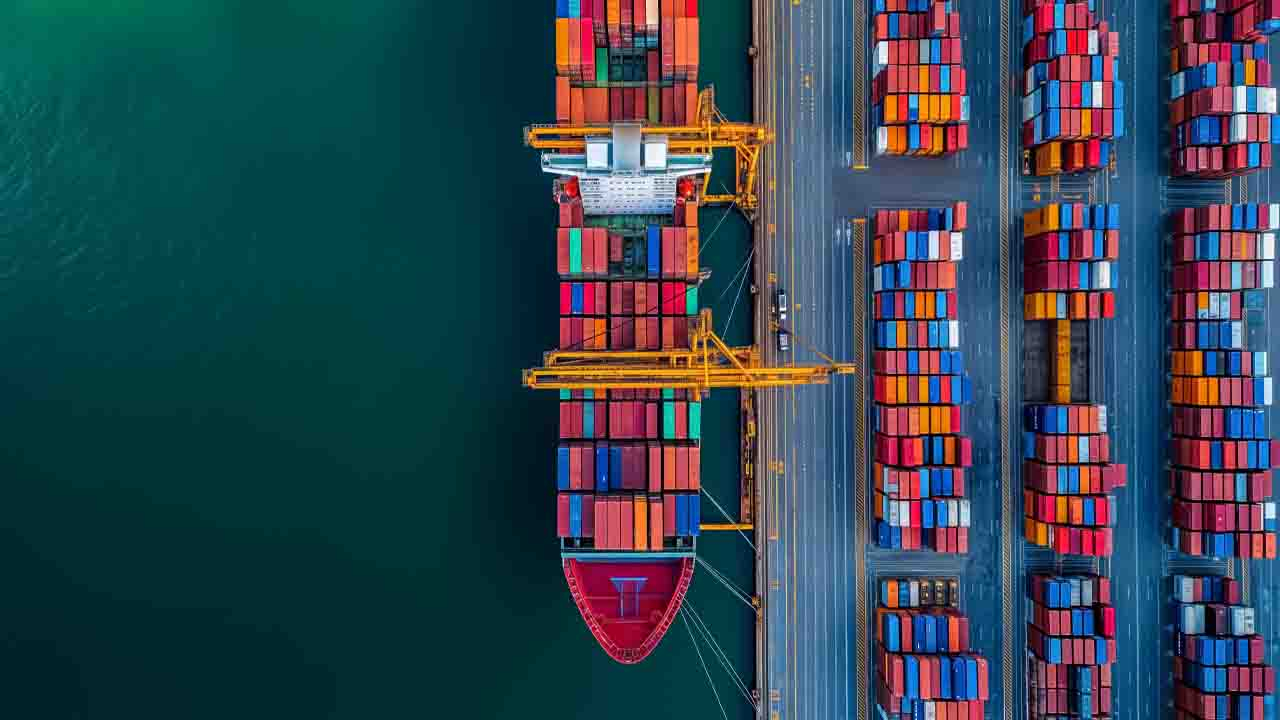
Disruptions to shipping flows are extending transit times for chemical feedstocks and raw materials relevant to ink manufacturing.
The European Printing Ink Association (EuPIA) is closely monitoring the escalating situation in the Middle East and its consequences for global energy markets, raw material availability and logistics for the printing ink sector across Europe.
Disruptions to shipping flows through the Strait of Hormuz and ongoing rerouting via the Cape of Good Hope are extending transit times for chemical feedstocks and raw materials relevant to ink manufacturing by approximately 10-14 days.
War-risk insurance premiums and freight rates have risen sharply, with further increases anticipated.
Air freight is also affected, as disruptions to regional airspace and logistics hubs are altering transport flows and adding to costs.
Brent crude prices above 100 USD per barrel are driving up costs for key petrochemical derivatives - including solvents, binders, resins and additives - that are core inputs to printing ink formulations.
Utility demands in production processes may see gradual pressure as regional tensions affect gas and electricity-linked expenses.
EuPIA and its Council are monitoring these developments closely while prioritizing resilient sourcing and innovation in sustainable materials. EuPIA underscores the printing ink sector's adaptability in navigating broader supply chain complexities and is in communication with partner associations as and where possible.
Cornelia Tietz, EuPIA director, commented: ‘EuPIA is in active dialogue with its members and partner associations to track the evolving impact of this situation on our sector. We are committed to keeping members informed and to advocating for the conditions that support supply security for European printing ink producers.’
Stay up to date
Subscribe to the free Label News newsletter and receive the latest content every week. We'll never share your email address.