ElitePlus++ concludes 13th Speciality Films & Flexible Packaging summit
The recently concluded summit highlighted India’s rapidly evolving flexible packaging sector and underlined the key issues currently challenging the industry.
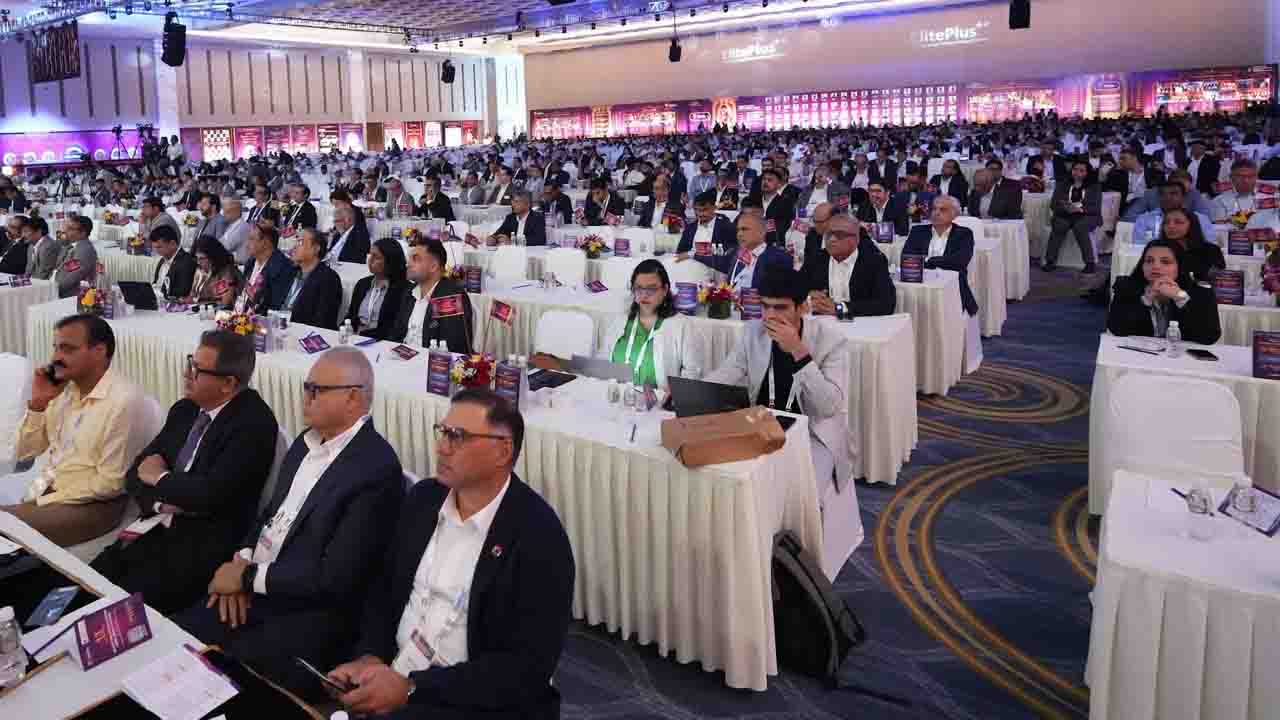
The 13th Speciality Films & Flexible Packaging Global Summit & Exhibition 2026, organized by ElitePlus++ Business Services, concluded successfully on August 26-27, 2026, at the Jio World Convention Center, Mumbai, India.
The 2026 edition recorded participation of more than 2,380 global industry leaders, 115 speakers from 31 countries and 121 exhibitors.
The event was supported by the Department of Chemicals and Petrochemicals (DCPC), Ministry of Chemicals and Fertilizers, Government of India, together with leading industry associations and media partners. The summit brought the global films and flexible packaging value chain, including policymakers and government officials, polymer and raw material producers, film producers, converters, printers, laminators, adhesive and ink manufacturers, machinery and automation providers, recyclers, sustainability leaders, technology providers and industry experts, together on one platform.
The presence of brand owners and end-user industries added a valuable market perspective to discussions on technology, sustainability, consumer expectations and the future of packaging.
India’s growing role in global packaging
The summit highlighted India's growing importance as a global powerhouse for flexible packaging, driven by rising consumption, expanding manufacturing capabilities, technology investments and demand from FMCG, food, healthcare, pharmaceuticals and e-commerce.
Discussions focused on sustainable growth, advanced materials, technology, exports and Free Trade Agreements, while exploring the industry’s journey beyond 2030, with emphasis on innovation and globally competitive businesses.
Sustainability and circularity remained central to the program, with discussions moving from commitments to practical and commercially viable applications. Key themes included circular economy and EPR, PCR integration, recyclable and mono-material packaging, advanced polyolefins, high-barrier films, mechanical and chemical recycling, food-grade and hygiene recycling applications, closing the loop for flexible packaging and profitable circular business models.
A dedicated brand owners’ panel, ‘From commitment to action – how brand owners are redefining sustainable packaging solutions’, examined how sustainability goals can be translated into practical packaging through innovation and collaboration.
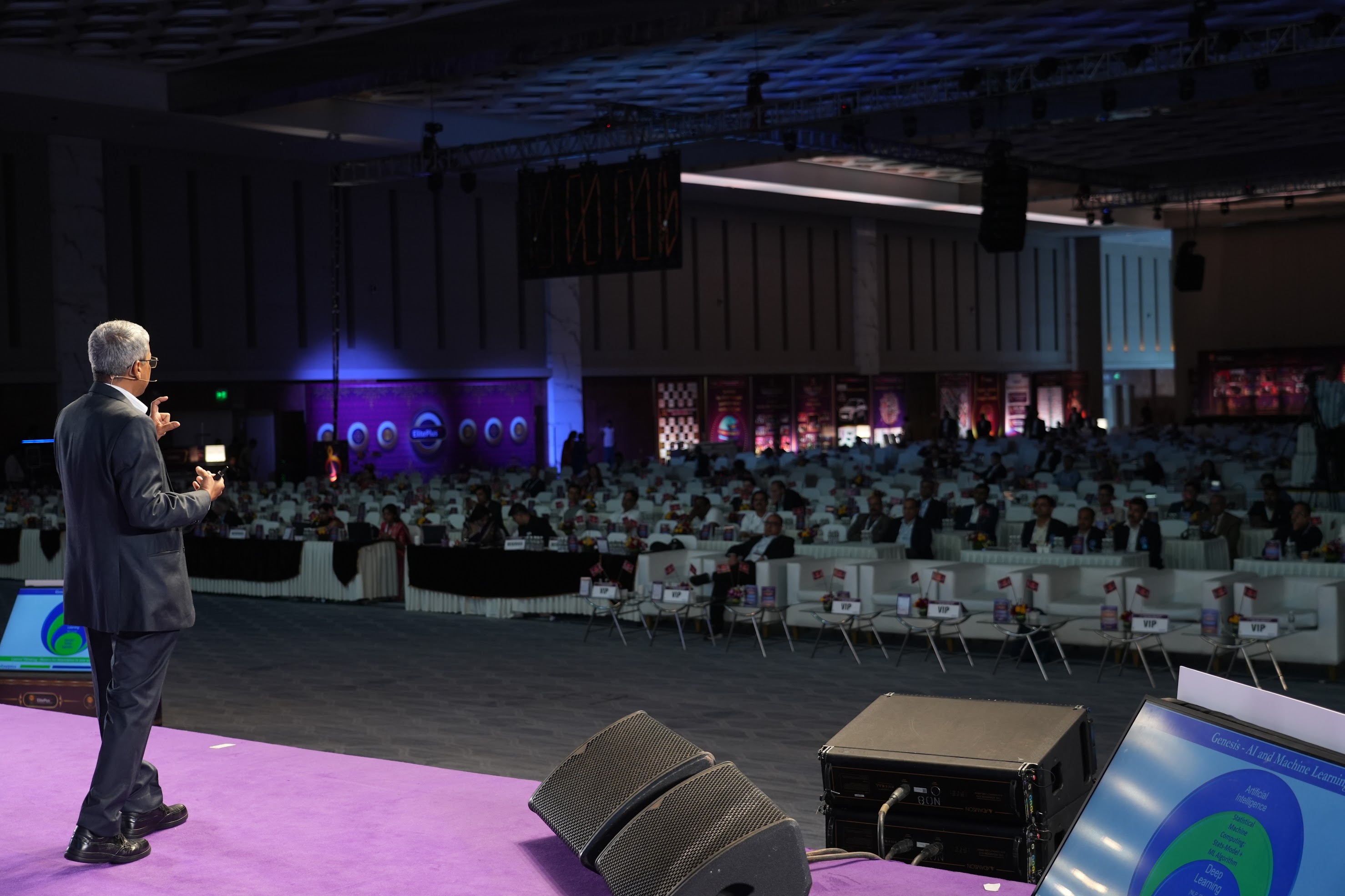
The 13th edition expanded its focus on artificial intelligence, GenAI, industrial AI and AI-enabled manufacturing.
Discussions examined applications across product design, production optimization, smart factories, connected packaging ecosystems, supply chains, quality, productivity, sustainability and business workflows.
Innovations driving the next packaging revolution
Technology and innovation were addressed across advanced specialty films, next-generation polymer chemistry, high-barrier packaging, printing and converting technologies, automation and smart manufacturing, artificial intelligence, connected packaging ecosystems, recycling technologies, circular packaging and alternative materials.
Vellayan Subbiah, chairman of hubergroup, highlighted the robust trajectory of the Indian packaging sector, noting a strong 10-12 percent compound annual growth rate (CAGR). He emphasized that as consumer safety standards evolve, the demand for low-migration, food-safe inks is becoming critical – an area where hubergroup leverages its global R&D capabilities to stay ahead of the curve.
Subbiah also pointed to positive operational and geopolitical shifts. The growing adoption of renewable energy has significantly reduced the sector's overall energy costs. Furthermore, on the global stage, India has firmly established itself as a trusted partner and a highly reliable sourcing hub.
Manfred Hackl, CEO of EREMA Group, emphasized that with the growing global population, plastic will remain an essential material, making robust recycling infrastructure critical to 'closing the loop’. Currently, only eight percent of global plastic is recycled. To meet future demand, Hackl projects global recycling volumes must surge 7.2 times, from 35 million to 250 million tons.
To successfully reduce reliance on virgin plastics, Hackl stressed that post-consumer recycled (PCR) pellets must perform like virgin raw materials, requiring stable quality, specific properties, competitive pricing and reliable supply. Drawing on learnings from Europe, he highlighted a persistent gap between the plastic that is collected and what is actually recycled. Overcoming this gap and the technical complexities of processing diverse plastic types will require collaboration across the entire value chain.
Hiroshi Suzuki, managing executive officer and chief technology officer at Toppan, outlined a dual approach to tackling plastic waste: reducing waste through lightweighting packaging, incorporating PCR, and improving material replacement. The second approach is focusing on designing recycle-ready structures and strengthening infrastructure for collection, sorting and end markets.
However, Suzuki noted significant industry hurdles, primarily mounting regulatory pressures, persistent technical constraints and a critical shortage of high-quality recycled polymers.
Pankaj Poddar, group CEO of Cosmo Films, discussed that brands paradoxically demand premium aesthetics like velvet, metallic or high-gloss finishes alongside sustainability and low costs. To bridge this gap, Cosmo focuses on products such as mono-materials, PCR films and tamper-evident anti-counterfeiting technology and high-performance applications including anti-fog films, puncture-resistant CPP and anti-corrosive labels. To drive profitability and production efficiency, its advanced label films are engineered for high-speed machinery and can run at up to 100,000 meters per hour.
Suresh Gupta, ex. chairman of Huhtamaki, highlighted how flexible packaging builds stronger brands by enhancing visual appeal, product protection and consumer convenience, particularly through the shift from rigid to lighter portable formats. Acknowledging that navigating sustainability and evolving regulations is increasingly complex for brands, Huhtamaki positions itself as a crucial knowledge partner. To drive clear, transparent sustainability, it is championing the transition from traditional foil to high-barrier, recyclable mono-materials by offering products such as its Blueloop packaging.
Ranesh Bajaj, director of Vinsak provided a comparative analysis of flexo, offset, gravure, and digital printing technologies. The discussion outlined each method's technical capabilities, benefits and per-package costs, while highlighting the emerging capabilities and opportunities of hybrid offset presses.
Panel discussions
Across several panel discussions over the two days, key trends took center stage: a push toward circularity and regulatory compliance, accelerating the shift to mono-materials, PCR integration and EPR-driven waste collection.
The industry also highlighted the increasing need for stakeholders to collaborate to create a true circular economy.
Packaging, brand differentiation and customer trust
Brand owners remained central to the program. Discussions examined packaging’s expanding role in consumer safety, brand differentiation, customer trust, convenience, premiumization, sustainability and regulatory compliance.
Senior brand leaders also shared expectations from packaging producers and technology providers, highlighting opportunities created by changing consumer needs.
Experts from Diageo, Emami, and GLS Elopack highlighted that structural innovation must go beyond unique shapes to deliver real functionality such as portability, resealability and ease of disposal. While premium finishes attract buyers, a premium pack that fails functionally is ultimately a failed product.
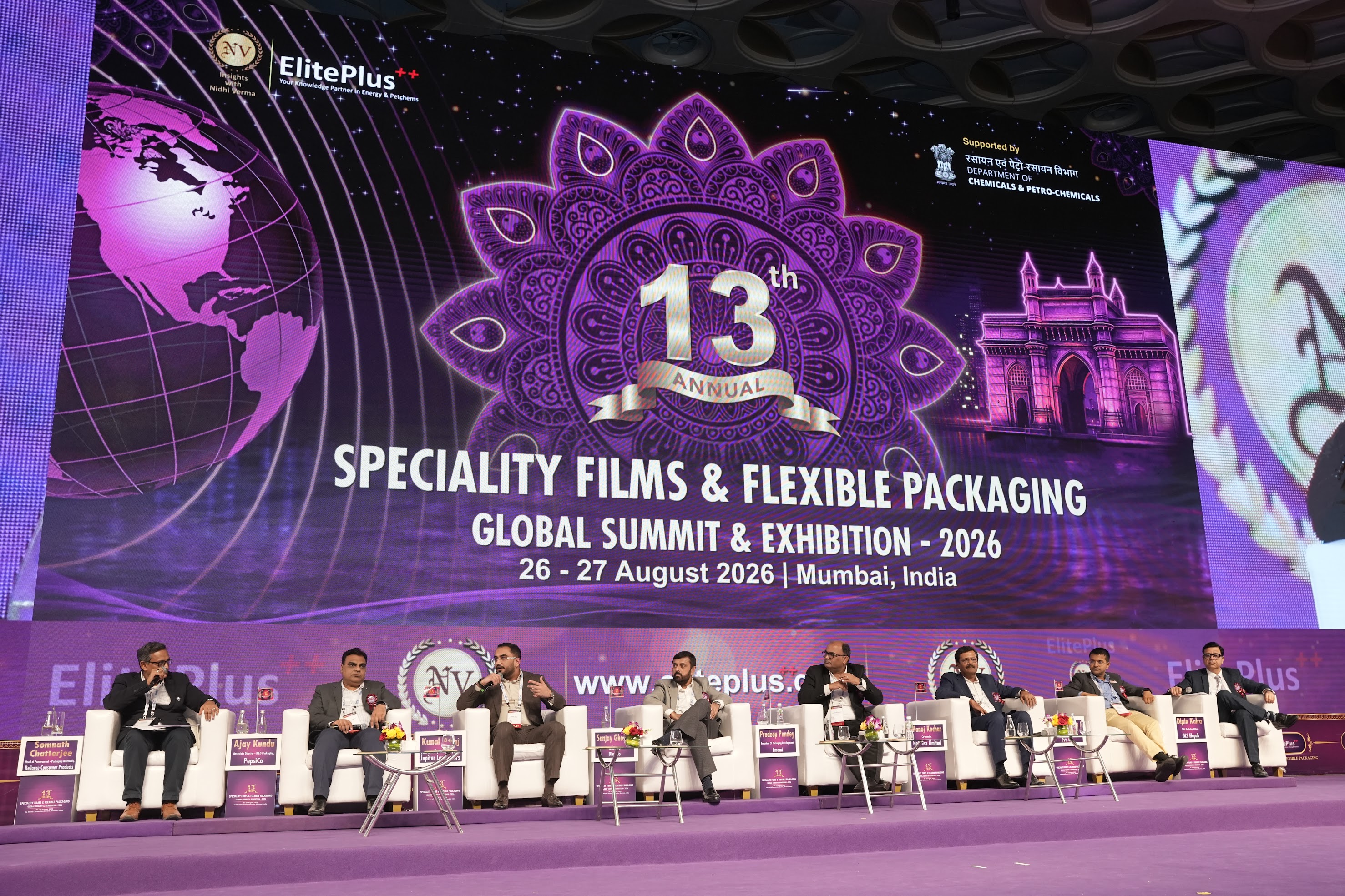
Technology and sustainability also took center stage. Holoflex noted that connected packaging (using QR codes and NFC) drives transparency and brand trust, though consumers need incentives to boost low scan rates. Addressing circularity,
Ribotl Solutions and Diageo noted that waste collection and the quality of recycled feedstock remain massive hurdles, even with AI-assisted sorting. Finally, PepsiCo highlighted that while consumers appreciate eco-friendly options, their purchasing decisions are still driven by shelf price and functionality. To bridge this gap, brands and converters must co-develop applications to achieve true 'affordable sustainability’.
Developing next-gen packaging
The central challenge in packaging today is not a lack of innovation, but rather scaling those innovations so they remain sustainable, highly functional and affordable. Panelists agreed that while innovations abound, commercialization often lags because of cost sensitivity and technical hurdles, such as older sealing machines struggling to process new mono-materials at high speeds.
Vacmet and Saraa Polymers emphasized that sustainability cannot come at the expense of product shelf life. By utilizing high-barrier materials like EVOH, companies are pushing the limits of down-gauging. Vacmet is creating films as thin as 5 microns. This improves per-gram efficiency and reduces overall material, water and energy consumption.
Basell Polyolefins highlighted that AI has evolved from a basic tool into a major industry accelerator. AI is now optimizing material sourcing, reducing waste and shortening time-to-market. Simultaneously, DIC highlighted that smart packaging is cutting through shelf clutter; QR codes drive digital brand loyalty, authenticity and supply chain traceability.
The company also noted that while packaging innovations often succeed in the lab, they fail at commercial scale because of technical and economic hurdles. For example, existing high-speed sealing machines struggle to process new mono-material structures. Furthermore, the end-market is highly price-sensitive and rejects the premium costs associated with sustainable materials. Overcoming these execution barriers, along with navigating complex government policies, requires strict alignment across all stakeholders.
As films become thinner and production speeds increase, components must keep pace. Toyo Ink is advancing water-based inks and barrier coatings to support mono-materials and biodegradable films, while High Grade Industries noted that masterbatch additive particle sizes must be reduced to prevent them from dropping off ultra-thin films.
Flexible packaging manufacturer Jayshri Propack noted that sustainability budgets global brands allocate to India remain relatively small, slowing adoption of functional formats like reclosable packs.
Navigating complex EPR regulations and moving innovations from the lab to commercial scale will require value-chain collaboration over the next decade to achieve true circularity.
Search for material alternatives
Flexible sachets present a massive collection challenge. While Extended Producer Responsibility (EPR) is a strong policy, Mondelez and TCPL stressed that true circularity requires shared accountability across brands, governments, waste bodies and consumers. A single option isn't enough; the industry must design sachets that hold enough value to be 'worth collecting’, mandate recyclable packaging for specific products, and invest heavily in end-market infrastructure.
When discussing material alternatives, the panel highlighted significant complexities. Flexible packaging holds less collection value than rigid plastics. While biodegradable and compostable options are popular talking points, their definitions remain vague in practice. True compostables require managed infrastructure meant for organic waste, and food-contaminated packaging remains difficult to process.
Films and flexible packaging provider Vijayneha Polymers cautioned against viewing paper as a universal replacement for plastic sachets. If paper requires heavy inks and barrier coatings, it loses its recyclability. Mono-material plastics remain a superior choice for high-speed, high-barrier needs.
However, Koehler Paper noted that modern paper technologies now feature detachable barrier coatings compatible with existing recycling streams. With machine adjustments, these advanced papers can match plastic production speeds for dry foods like chocolates and powders.
Balancing premiumization and sustainability
Brand owners are actively navigating the tension between delivering a premium consumer experience and meeting strict sustainability goals, particularly as new recycled-content regulations take effect. Panelists agreed that the user experience (UX) remains paramount, but sustainability must be executed without compromising that experience or lowering quality standards. Brands such as Cadbury, Wipro and Tata Consumer Products have made significant strides in incorporating sustainability in their product packaging.
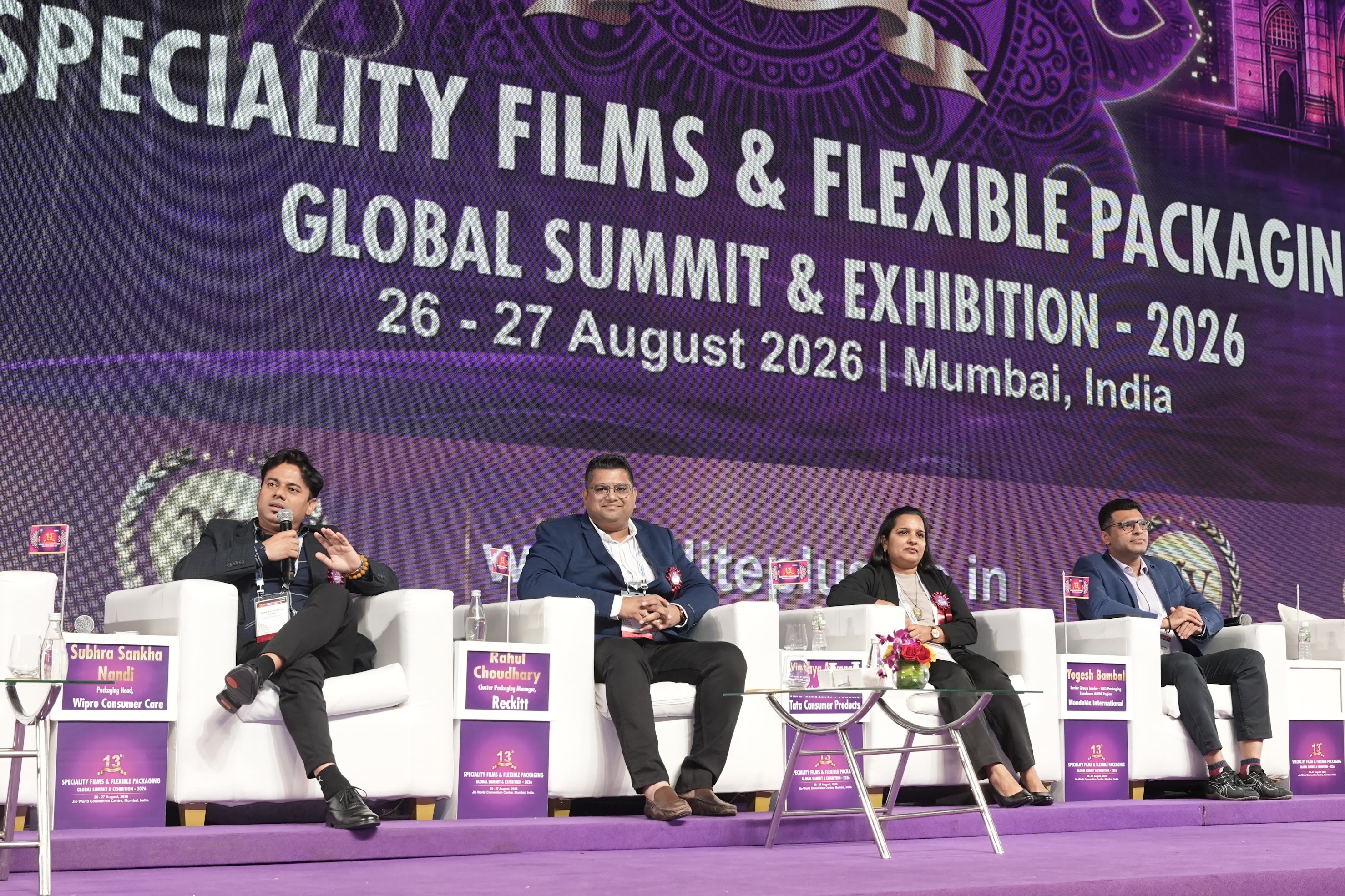
Reckitt emphasized that transitioning to sustainable flexible packaging comes with significant quality control challenges. Brands must hold converters to high standards and not accept quality leeway simply because the material is sustainable.' At the same time, flexible packs currently lack the premium embellishment options available for rigid packaging, limiting design options for brands.
Concluding the summit, Nidhi Verma, founder and managing director, ElitePlus++ Business Services, said: ‘The 13th Edition brought together the complete films and flexible packaging ecosystem at a time when our industry is witnessing fundamental changes in technology, sustainability, regulation and consumer expectations. The participation of policymakers, global technology leaders, brand owners, producers, converters, recyclers and the next generation of industry leaders created a truly 360-degree platform. We believe India has a significant opportunity to play a much larger role in shaping the future of the global flexible packaging industry.’
Stay up to date
Subscribe to the free Label News newsletter and receive the latest content every week. We'll never share your email address.