Craft Beverage Day educates owners on labeling
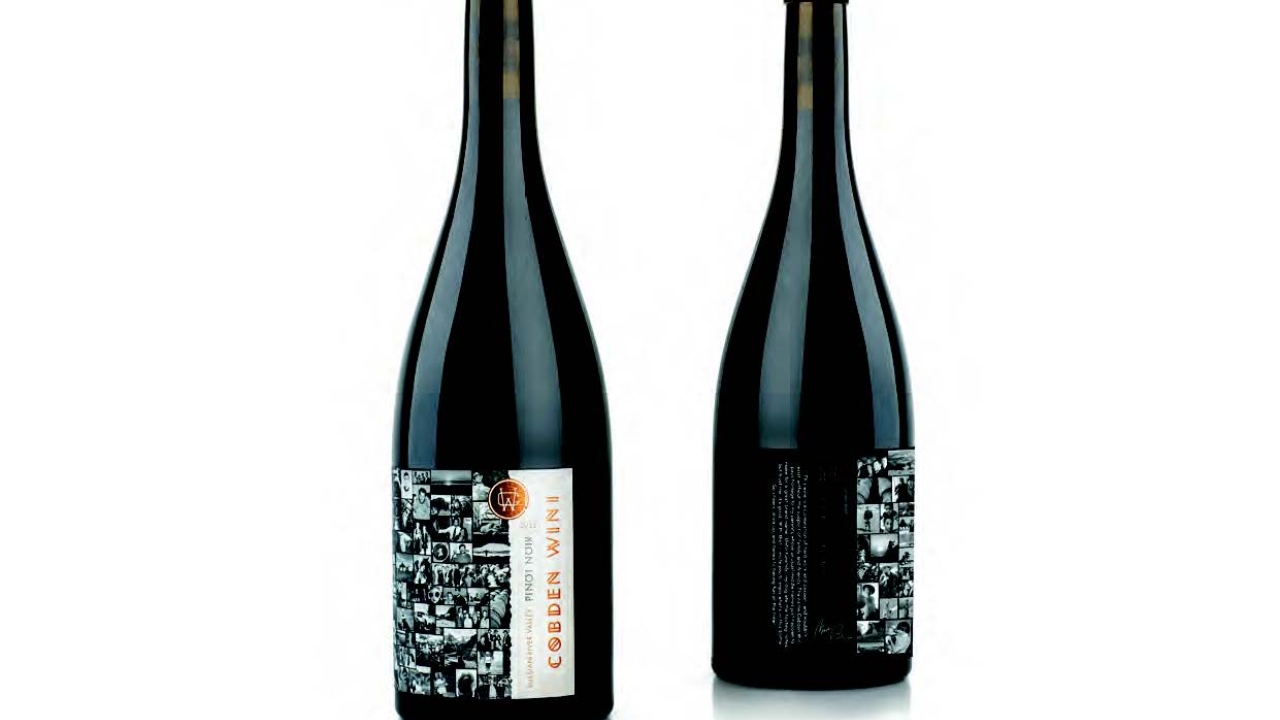
The US is a crowded marketplace with more than 2,500 craft breweries operating in 2013, around 8,000 wineries and the number of distilleries expected to reach 750 by the close of this year. This growth meets the demands of contemporary consumers for more personalized, local products that they can identify with; and they’re open to trying new options.
Roman Artz, technical project manager at Inland Label, and Clara Meinen, owner and creative director of One Sweet Design, together revealed the importance of brand owner, production and design collaboration in order to achieve holistic branding success that captures consumers’ attention, conveys the brand story effectively and meets the expectations of all stakeholders.
Wet glue applied cut & stack labels account for 64 percent of the North American beer market. Pressure sensitive labels represent a 30 percent market share. With each of the labeling technologies there are pros and cons. While there is a low capital expenditure required to move into PS labeling, the price point per label is typically higher. Even so, the aesthetic value and the ability to add embellishments like foiling or embossing are appealing.
There’s also the bottling line efficiencies found with PS labels. Cut & stack labels require cold glue application as the label is placed on the container, creating a mess for operators and downtime for clean-up. Yet the labels are the lowest cost per unit available.
Artz told the audience, ‘A good-looking package and effective label requires each stakeholder to play their role. Talk to your converter about your application environment to insure the correct substrates and adhesives are selected for the process. It’s important for us to know if the conditions will be wet or dry.’
The craft beer market has seen an uptake in the adoption of labeled aluminum cans using either shrink labels or PS labels. Labeled cans allow craft beverage producers to avoid the minimum volume orders required for directly printed cans with spot colors. Using a label keeps the color integrity consistent across containers and the labels can be produced using either 4-color or 7-color process printing to gain visual pop and enhance manufacturing efficiencies to reduce cost.
Shrink labels on glass bottles can be seen on many beverage shelves. Warned Artz, ‘Be careful when shrink labeling glass because if the bottle were to break, you or the end user may not know it since the shrink label will continue to hold it together.’ Design is especially important for shrink materials. The curve of the container and the location of text or copy must be carefully laid out to avoid a warping of letters or improper shrink around the container.
Meinen explained, ‘Without great design and knowledgeable production experts to apply the design correctly, the package won’t turn out in the end.’ The labels and packaging must tell consumers who the brand is and why they should care about the product. The location of the sale – at the brewpub, in a tasting room, at a boutique liquor store or massive retail outlet – plays an important part in how the label is designed. Consumer tastes will vary greatly between each market demographic.
Meinen continued, ‘Brands need a face to give consumers a first impression of what they are about to get into. It’s my job to make sure that the brand is accurately represented in the design of the packaging, delivering an effective compound of connections and feelings. When a connection is made, that’s when the product is sold. Shoppers are not going to pick up your product if they don’t want to buy into your experience.’
Designers are responsible for researching the competition, understanding the marketplace, surveying the product landscape and interviewing the brand owners involved to pull out the essence of the story at hand. This information helps elucidate the design choices to be made in the brand development process.
Stay up to date
Subscribe to the free Label News newsletter and receive the latest content every week. We'll never share your email address.