Weavabel and Bombiix partner to deliver DPP
The partnership focuses on a practical, important concept: connecting DPP data directly with the physical products placed on the market.
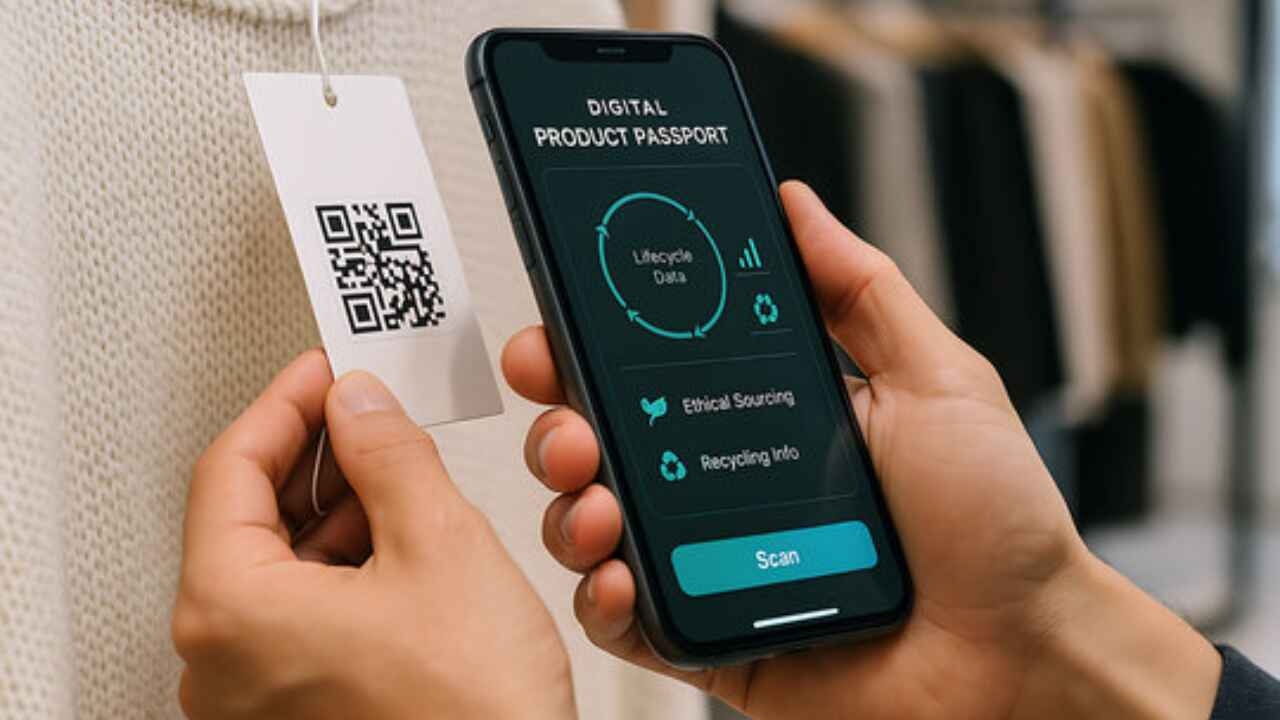
UK-based Weavabel has partnered with Bombiix, a Product Lifecycle Management (PLM) and Digital Product Passport (DPP) platform, to help brands prepare for the growing complexity of DPP compliance and connected product transparency.
Weavabel is a global trims, packaging and labeling partner supporting brands across fashion, retail and lifestyle sectors with woven labels, care labels, packaging, RFID, traceability and product identification.
As the fashion and textile industry prepares for the EU’s Ecodesign for Sustainable Products Regulation (ESPR), brands are facing increasing pressure to improve product traceability, manage product and sustainability data more effectively and prepare for upcoming Digital Product Passport requirements.
At the same time, many businesses continue to operate across fragmented systems where product data, compliance management, customer communication and physical product execution remain disconnected.
Addressing this challenge, Weavabel and Bombiix are combining their specialties to deliver a connected DPP program that links structured product data with compliant physical product identification, labeling and customer-facing digital experiences.
As DPPs move closer to becoming mandatory for textiles under ESPR, Weavabel has expanded its focus on compliance, traceability and connected product data, helping brands align physical product execution with evolving regulatory requirements.
'One of the biggest challenges facing brands today is that critical product information exists across multiple systems, suppliers and teams. By working closely with Weavabel, we're
helping businesses reduce that complexity and create a more connected approach to managing product data and Digital Product Passports,' commented Lucy Blackley, founder and
chief product officer, Bombiix. 'From our very first conversations with Weavabel, it was clear that we shared the same philosophy: helping brands succeed through collaboration, innovation and practical support. This partnership is built on a shared commitment to making Digital Product Passports accessible, achievable and valuable for the brands we serve.'
Together, the partnership creates a connected DPP journey that bridges verified product data with compliant physical and digital product experiences.
Through the partnership, brands can gather and manage DPP-relevant information, including product identity and batch information, material composition and fiber percentages, sustainability metrics and environmental impact data, certifications and testing information, supply chain and factory details and repairability, recycling and end-of-life guidance.
The integrated program then enables that information to be seamlessly connected to physical care labels, packaging and digital touchpoints through QR codes and digital links.
A key feature of the partnership is the integration between the Bombiix DPP platform and Weavabel’s Care Label ordering platform.
The integration module allows product and DPP data to be created and published within the Bombiix platform, product codes and DPP URLs to transfer securely into the Care Label system and automatic validation and mapping to relevant products and suppliers. It allows factories to instantly access only the products and orders relevant to them. The module also allows QR codes to be automatically generated for care labels and packaging as DPP data carriers.
The result is a more connected approach to DPP implementation that supports transparency, reduces operational complexity and helps brands prepare for upcoming ESPR milestones through to 2030.
'Our partnership with Bombiix allows us to simplify what can otherwise become a very complex Digital Product Passport journey for brands,' said David Stutterheim, digital product passport, systems and variable data consultant at Weavabel. 'Brands can no longer treat compliance data, product information and physical product execution as separate processes. By partnering with Bombiix, we are helping businesses connect structured product data with real-world product identification and customer-facing digital experiences in a way that is practical, scalable and future-focused.'
The partnership reflects a broader shift within the fashion and textile industry as brands prepare for increasing DPP obligations under ESPR.
While the textile-specific delegated act is currently expected around mid-2027, the foundational framework is already in place, and brands are being encouraged to begin preparing their internal systems and product data structures now.
Current guidance suggests DPPs will need to include information relating to product identity and material composition, sustainability attributes and environmental impact data, substances of concern, recyclability and recycled content and repairability and lifecycle guidance.
In addition, DPP information is expected to remain digitally accessible throughout the full lifecycle of the product, including repair, resale and recycling stages.
As regulatory expectations continue to evolve, collaboration between product data platforms and physical product identification providers is becoming increasingly important.
'Digital Product Passports are about far more than compliance alone,' Stutterheim continued. 'They represent an opportunity for brands to improve transparency, strengthen customer trust and create more meaningful connected product experiences.'
Importantly, each DPP is hosted on a secure, independent domain to ensure product data remains accessible throughout the product's full life, supporting future ESPR accessibility requirements.
Many global brands already work with both companies independently. By bringing their specialist capabilities together, Weavabel and Bombiix aim to help brands reduce
fragmentation, improve data consistency and future-proof their Digital Product Passport strategies ahead of mandatory implementation.
'At Weavabel, we believe successful Digital Product Passport implementation relies on transparency, collaboration and connected execution,' Stutterheim concluded.
Stay up to date
Subscribe to the free Label News newsletter and receive the latest content every week. We'll never share your email address.