When packaging seduces the senses
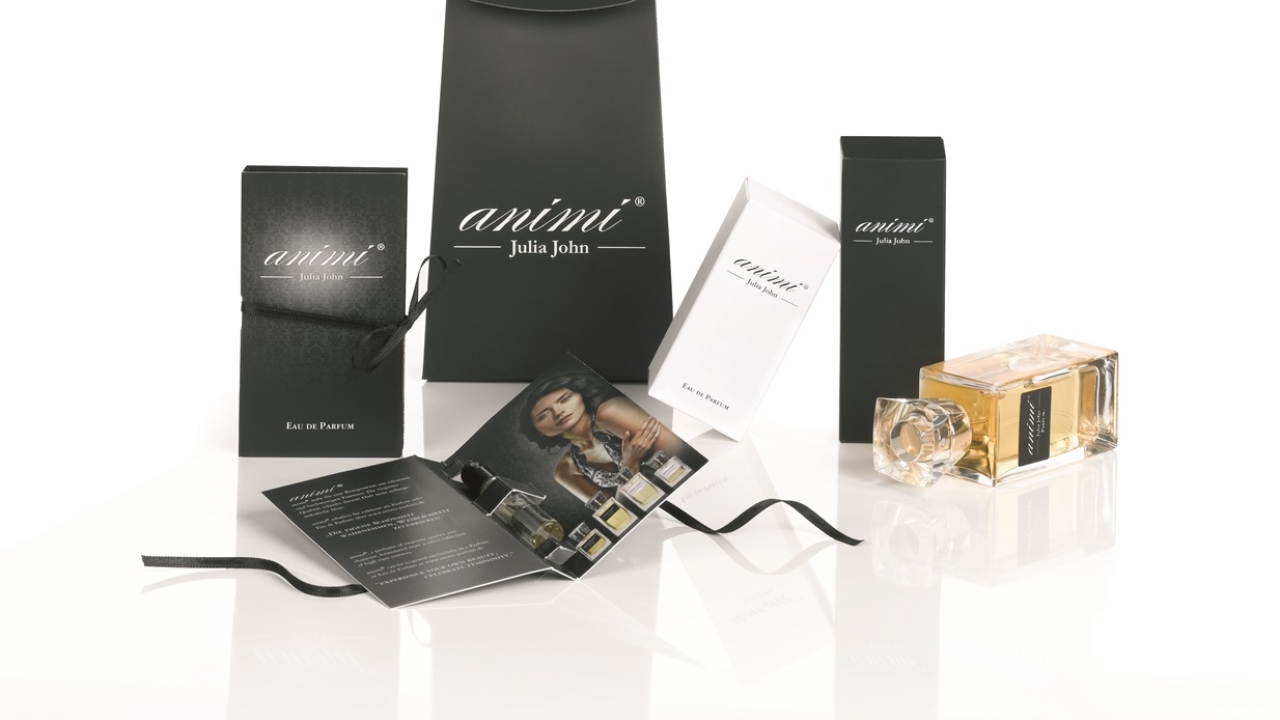
Packaging that appeals to the emotions can make the difference between staying on the shelf or going into the shopping trolley, says Lars Scheidweiler, product group manager for rigid packaging at Sappi Fine Paper Europe.
These days, striking packaging design and the skilled use of finishing techniques are quite simply the order of the day. Packaging finished to a high standard adds to the perception of the value of the product. This is especially important in today’s saturated markets.
If you want a product to sell well, the packaging needs to appeal to all the senses. Only then can the product breakthrough in an oversaturated market and be differentiated from comparable products. Packaging that seduces customers emotionally, making skilled use of a variety of print finishing techniques, elicits the famous “wow” factor and achieves success.
This is a trend that all parties in the packaging supply chain are increasingly focused on, particularly in today's fast-paced and highly competitive market. There is no doubt that the buying decision is heavily influenced by the packaging – as confirmed again and again in consumer surveys. According to a recent study by Pro Carton, as much as 70 percent of buying decisions are driven by emotion, with 52 percent affected by visual appearance and a third by the physical properties.
This data leads us to the conclusion that consumers are ultimately more likely to buy a product when the packaging speaks to them on an emotional, visual and tactile level. This is also the reason that package design is – and will remain – such an exciting and lucrative sector for packaging converters, designers, brand owners, paper manufacturers, printers and print finishers.
But this also means that demands on substrates to deliver high-quality, to support versatile printing and finishing options are on the rise. Bright white virgin fibres cartons, for which Sappi is known in the marketplace, are now regarded as the ideal carrier to achieve successful market positioning, especially when combined with sophisticated printing and finishing techniques. These elements deliver the multi-sensory impact in packaging that will gain greater attention from consumers, and differentiate the product. This undoubtedly results in greater brand awareness, more sales and increased market share.
The world of finishing
Packages are most likely to benefit from the “wow” factor, when striking finishing effects make them look like the product contained within or when the package feels so real because of its visual or tactile effects. Unexpected effects and unusual material combinations also add to package attraction. While these effects add cost and time to the package production process, the value they deliver on the shelf is well worth the extra investment.
Just ask the Achilles Group, one of Germany's top finishing companies and a long-term Sappi customer. The company reports that the demand from brand owners for relief printing has increased by about 60 percent over the past two years, closely followed by scratch-proof and other structural foils with mini-embossing with an increase of 45 percent, hot foil embossing in gold growing by 30 percent and silver lamination by 24 percent.
What has really exploded at Achilles is the demand for the relatively new technique of “soft touch” finishing for a very special tactile and sensual experience. Certain varnishes or special foils will cause the surface to feel velvety and soft. Soft touch finishing, along with UV spot varnish, foil stamping and blind embossing, are very popular in the production of sophisticated book covers, for example. For even more impact at the point of sale, Achilles has been able to determine the effect of the individual finishing techniques by target demographic. For men between 18 and 30 years old, textured varnish combined with relief varnish dominate, whereas for women of the same age, glittering effects, fluorescent colors and partial flocking effects draw the most attention. For this age group, special effect finishes are also popular. These include soft touch foils, structured foils and blind embossing. The fact is, consumers young and old are drawn to packaging that is more than just smooth paper.
Selecting the substrate
The results that can be delivered by a broad range of special effect finishes demonstrate that it is the small things that really make the difference. But it is equally important to note that the final effect of the finishing work depends heavily on the choice of material. The first consideration is whether the carton is actually suitable for all of the finishing techniques discussed here and whether complex embossed areas can be optimally reproduced. It is also important to understand how the board responds with the application of special inks and varnishes. Increasingly, brand owners are looking to integrate brand trademarks for unique identification of a product on the carton, and that often requires special inks.
Finally, how does the carton behave in production? Is it suitable for production at higher speeds and is it amenable to rapid job changeovers? What materials are used in manufacturing the cartonboard?
Cartonboard used in the high-quality printing and packaging sector must be able to meet all of these requirements. The quality of the surface affects the printing, varnish and embossing characteristics, as well as contrast, glossiness of the finish and readability. The ability to successfully use hot foil stamping, cold foil transfer, a high level of ink rub-off resistance and the ability to undergo other sophisticated processing techniques without damaging the board also depend on the surface quality.
The fiber content of the carton – whether mechanical or chemical, wood-based or wood-free, short or long fibers – also affects its performance, including yellowing, opacity, rigidity, crack resistance, tensile strength, elasticity and dimensional stability.
Ultimately, the weight of the board determines the processing characteristics, surface feel, rigidity and opacity, as well as the ability of the packaging to adequately protect the product it contains.
Special finishes drive brand value
There is no question that special effect finishes attract greater attention, increase the value of the product or packaging, and can boost sales. Brands that want to differentiate themselves from the competition are increasingly using finishing effects that appeal to the senses – primarily the visual and tactile senses, but also smell, taste and hearing – to evoke interest in the product. Special finishes such as embossed foil and others are more than a three-dimensional attention-grabber and a packaging element that reflects higher quality and exclusivity. These special finishes also engage the tactile senses and elicit curiosity and playfulness.
Providing these kinds of eye-popping effects for the consumer requires collaboration across the entire supply chain and the participation of finishing experts. It is this interaction that makes outstanding and creative results possible. It is one thing to be the undisputed master in one's own field of expertise, but it takes professionalism to a whole new level when specialists as across a wide range of disciplines, including design, layout, printing and finishing, material selection, and production processing work together to generate new ideas and achieve the desired goal.
Just ask Achilles Group customers, who are reaping the benefits of packaging that literally jumps off the shelf through a coordinated supply chain effort and the use of Sappi Algro Design bright white cartonboard as a base.
Stay up to date
Subscribe to the free Label News newsletter and receive the latest content every week. We'll never share your email address.

