Futamura and Bio4life develop compostable fruit labels
The new compostable PSA label engineered with both technologies meets the growing demand for environmentally responsible packaging.
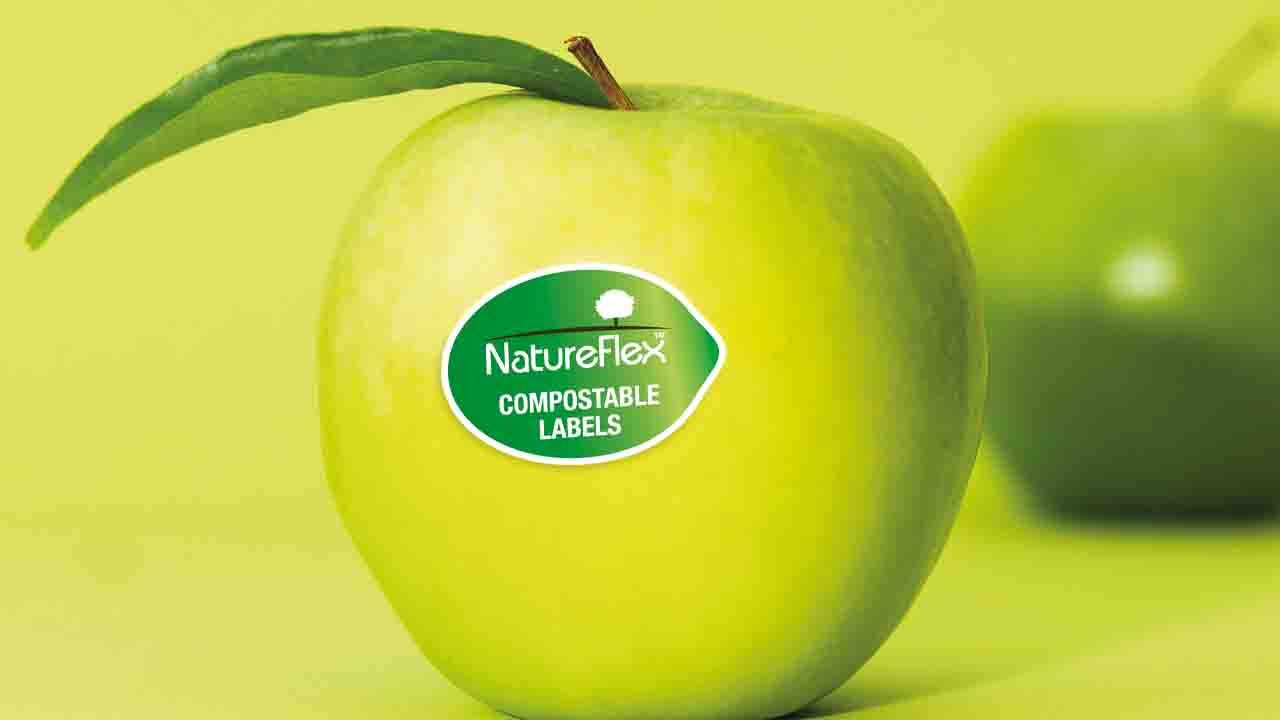
UK film manufacturer, Futamura, and Dutch labelstock producer, Bio4life, have developed a certified home and industrial compostable PSA label designed to help retailers and packers eliminate conventional plastic stickers from fresh fruit and vegetables.
Together, the two companies offer the required elements for a home-compostable label. Futamura’s NatureFlex cellulose films provide the home-compostable facestock, and Bio4life’s technology delivers the required certified home-compostable adhesive. The outcome is a high-performance label that is renewable, food-safe, and compatible with both industrial and home composting systems, as well as being suitable for a range of fresh produce such as apples, citrus fruits, avocados and kiwis.
Traditionally produced PSA labels use fossil-based plastics and non-compostable adhesives, making them a contamination risk in organic waste streams and anaerobic digestion processes. This is because consumers dispose of the label together with the fruit and vegetable skins. As the stickers are too small to be separated and most other materials, especially conventional plastics, do not break down under anaerobic condition, this can lead to contamination of the digestate. Fruit and vegetable labels produce using
NatureFlex films are suitable for anaerobic digestion, breaking down in the process and therefore, do not contaminate it.
The new compostable PSA label engineered with both technologies meets the growing demand for environmentally responsible packaging. Bio4Life delivers certified home and industrial compostable labelestock, without compromising performance, printability, or application efficiency. NatureFlex films provide a renewable, cellulose-based face stock derived from responsibly managed wood pulp. The films are available in clear, white or metallized variants to fit all client requirements. Their mechanical properties make them well suited to die-cutting and dispensing. Stiffer than other bio-based and compostable alternatives, they can be used in thinner grammage while still maintaining excellent machineability. They offer high-quality printability for a highly decorative finish and a strong adhesive key. Cellulose films are inherently anti-static which aids the machineability of the film through conversion. NatureFlex cellulose films also have a high barrier to oils and chemicals, which can prevent any transfer through the label, preserving the quality of the label over time.
The countdown to the Packaging and Packaging Waste Regulation (PPWR) implementation on February 12, 2028, places urgency on the transition to mandated compostable produce labels, with the fresh produce industry now facing just one remaining harvest cycle to complete trials and testing. This restricted timeline highlights the need for close collaboration across the supply chain to ensure fully compliant solutions are trialled, tested and ready ahead of PPWR requirements.
Gerard Benthem, sales manager at Futamura commented: ‘Compostable fruit and vegetable labels are a great innovation that supports a truly circular economy. Bio4life and Futamura have a shared vision for the future of labeling, and we hope to help brands and retailers transition away from conventional plastics to renewable and compostable label materials.’
Marcel de Oude, co-owner of Bio4life stated: ‘Our home compostable adhesive technology BioTAK is designed to work hand-in-hand with renewable home compostable substrates like NatureFlex. This partnership showcases how collaboration can accelerate the shift toward packaging that supports a circular economy. We’re proud to bring this innovation to market with Futamura.’
Stay up to date
Subscribe to the free Label News newsletter and receive the latest content every week. We'll never share your email address.