UPM introduces renewable black pigment
Bio-based, NIR-detectable, carbon-negative pigment enables recyclable black packaging.
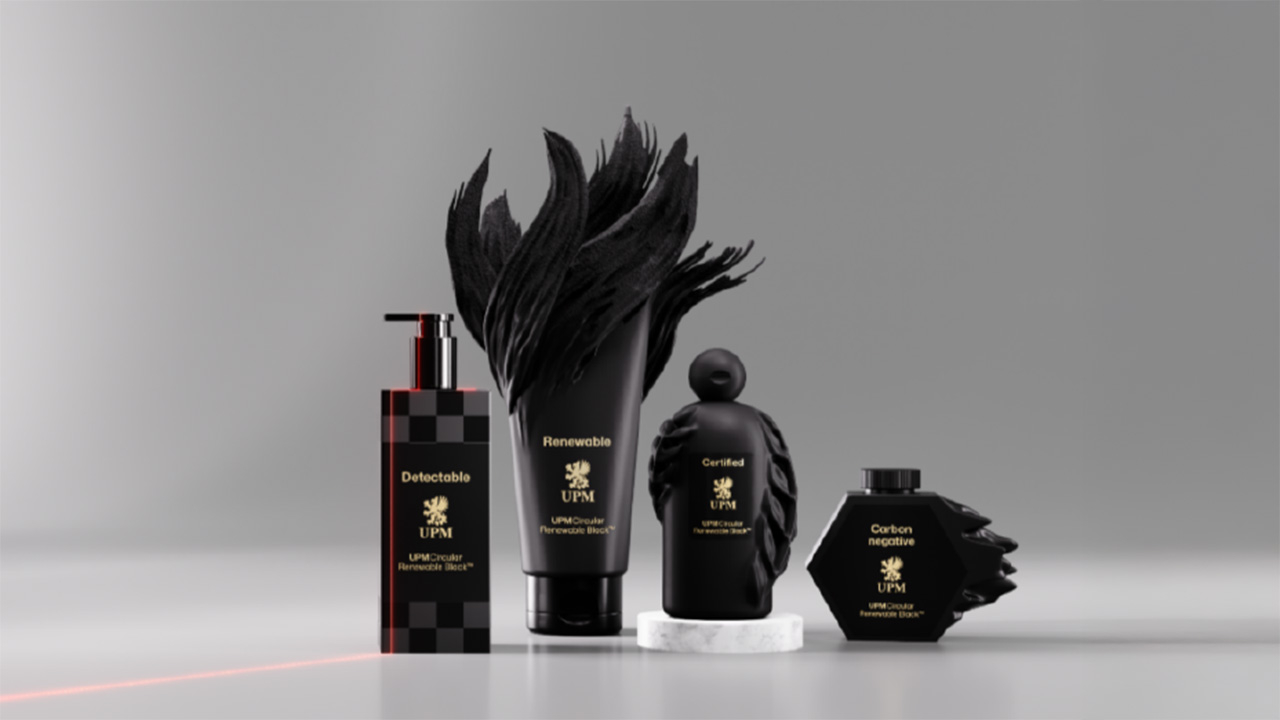
UPM has launched UPM Circular Renewable Black, a bio-based, near-infrared detectable, carbon-negative pigment that enables premium black packaging to be fully recyclable.
Conventional black packaging has been associated with recycling challenges as carbon black pigments inhibit NIR detection and make materials invisible to sorting systems in recycling facilities. UPM's new pigment is derived from renewable lignin and certified by third-party standards including FSC, PEFC and ISCC Plus. It delivers deep black color for premium aesthetics, full NIR detectability for efficient recycling and a carbon-negative footprint.
'With UPM Circular Renewable Black, we are redefining what's possible in sustainable packaging. For years, black was seen as incompatible with circularity, but we've changed that narrative,' commented Robert Marx, vice president commercial for UPM Biorefining. 'This innovation combines iconic deep black with full recycling detectability and a carbon-negative footprint, proving that sustainability and design excellence can go hand in hand. It's a breakthrough that reflects UPM's commitment to driving bold, science-based approaches for brand success and a truly sustainable circular economy.'
UPM Circular Renewable Black is part of UPM's portfolio of carbon dioxide-negative products to be produced at the company's 1.3 billion EUR biorefinery in Leuna, Germany. The facility is the largest industrial-scale investment in biochemicals in Europe and converts sustainably sourced hardwood into next-generation biochemicals, enabling the transition from fossil-based to renewable materials across multiple industries.
Stay up to date
Subscribe to the free Label News newsletter and receive the latest content every week. We'll never share your email address.