Sappi expands barrier paper portfolio
European paper manufacturer targets flexible packaging with recyclable mono-material offering.
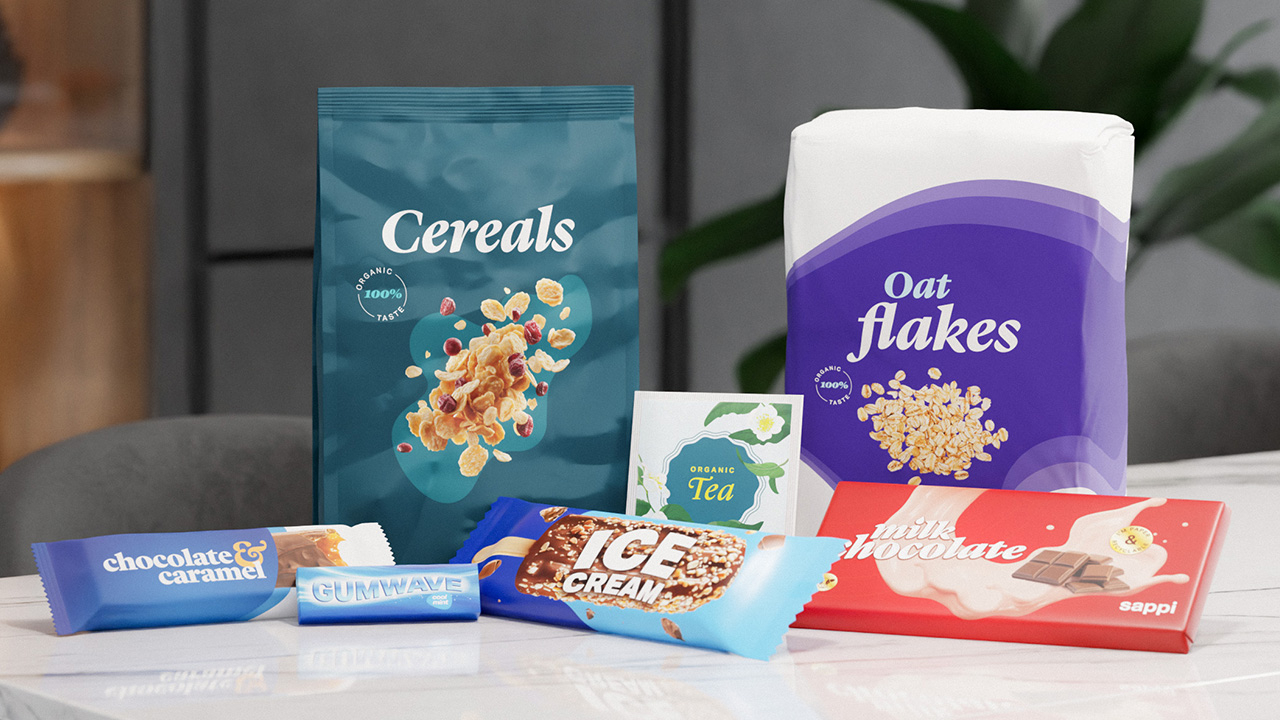
Sappi has expanded its barrier paper portfolio for flexible packaging applications, offering mono-material papers designed to run on existing packaging lines and qualify for paper recycling streams.
The company has developed barrier papers for more than a decade using dispersion-based technology that enables recycling in paper waste streams. The portfolio targets products including tea, cereals, chocolate, flour, dried fruits and nuts, instant soups and sugar.
'Brand owners want alternatives to plastic that fit into their real production environment,' said Gustavo Duarte, head of business development at Sappi Europe. 'The interest has grown fast in recent years. Customers need materials that actually solve their problems, not just ideas that sound good in theory.'
Sappi's barrier papers address three requirements: product protection through moisture and oxygen barriers, compatibility with existing packaging equipment and recyclability. The papers require tension, heat and sealing pressure adjustments but typically do not necessitate new production lines.
'Paper needs a different kind of care and attention than plastic films,' explained Alexander Schröder, product application leader at Sappi. 'But this doesn't mean customers need new lines. Often it comes down to fine-tuning. We work closely with machine manufacturers to help customers see what needs to be adjusted before they switch.'
The company tests all materials using CEPI/4evergreen methods before external certification to identify potential issues early. Sappi expects this approach aligns with upcoming Packaging and Packaging Waste Regulation requirements.
'This early testing helps us refine the papers quickly and gives customers confidence that the material will meet not just today's rules, but tomorrow's as well,' Duarte noted.
Sappi sources wood within roughly 150 kilometers of each European mill site and maintains FSC, PEFC and SFI certification across its global supply chain. The company manages 400,000 hectares of certified plantations in South Africa that supply local markets only.
While barrier papers can appear more expensive than certain plastics, Duarte explained the comparison requires examining complete costs including recycling fees and potential incentives for recyclable materials. 'When you calculate everything, the result can favor paper-based options,' he said.
Stay up to date
Subscribe to the free Label News newsletter and receive the latest content every week. We'll never share your email address.