RRD connects global plants
SMART strategy links facilities on a shared data platform.
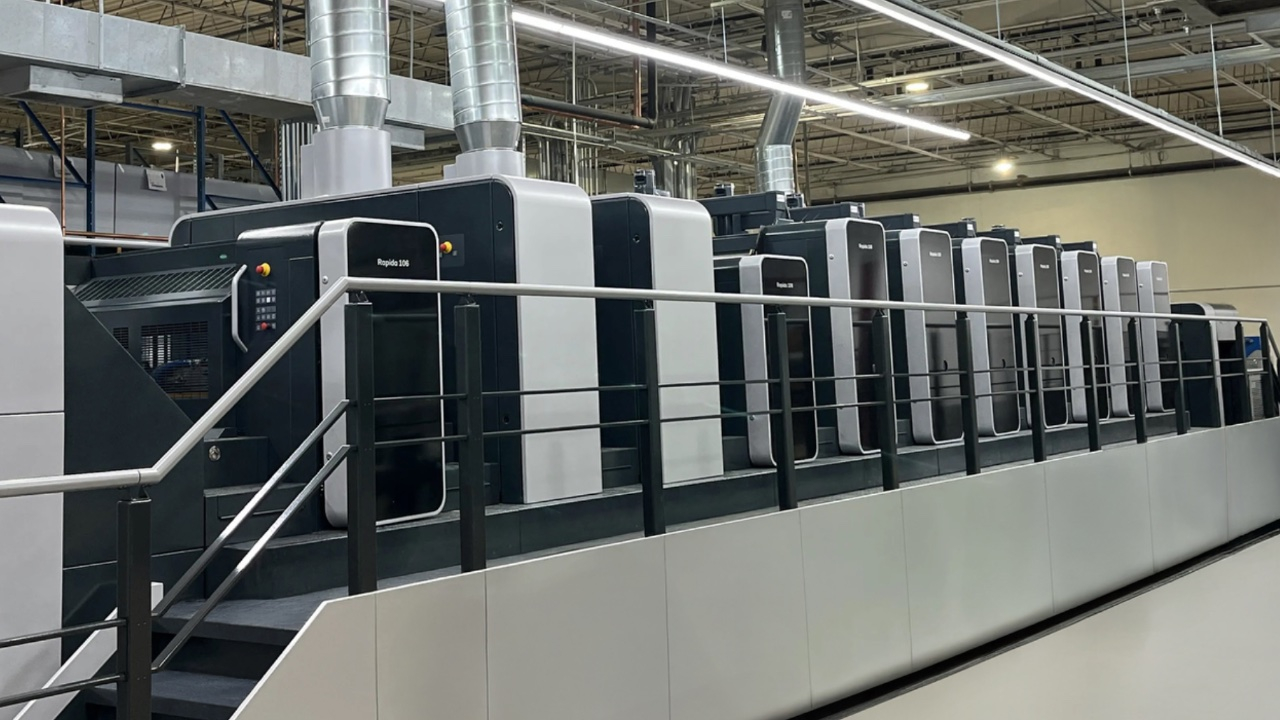
Chicago-based RRD has established a unified digital platform across its manufacturing facilities in North America, Europe and Asia under its Systematic Manufacturing, Automation & Robotic Transformation (SMART) strategy, connecting facilities and equipment on a shared data foundation to enable real-time operational decisions and strengthen supply chain resilience for clients.
The architecture uses industrial internet of things (IIoT) sensors and cloud platforms to link shop floors directly to enterprise resource planning systems. Standard data models synchronize production planning and inventory management across locations, while AI and machine learning algorithms analyze the data to enable predictive maintenance, demand forecasting and automated material resource planning. By linking data across production lines and facilities, the system adjusts manufacturing schedules dynamically based on incoming demand and material availability.
Collaborative robots and real-time, automated in-line sheet scanning are intended to reduce press setup times, minimize paper spoilage and expand capacity without interrupting active customer workflows. RRD is directing investment into advanced equipment, cloud technologies and specialized workforce training, with recent purchases including sheetfed offset presses, digital presses, flexo label presses, multiple 57-inch die cutters, folder-gluers and various finishing equipment. Standardizing equipment is meant to ensure identical quality controls and rapid project transitions whether production takes place in domestic or international facilities.
The multi-region network allows capacity balancing, protecting clients from regional supply chain bottlenecks and disruptions. For enterprise clients managing portfolios of print, trading cards, labels and folding cartons, projects can be routed or split based on capacity, freight logic and proximity to distribution sites.
'The transition to a connected manufacturing framework changes how we balance production capacity and manage resources globally,' said Al duPont, president at RRD. 'By establishing a single digital backbone, we give our clients more predictable turnaround times, consistent quality standards across regions and verifiable reductions in material waste.'
RRD says optimizing production lines through predictive scheduling and asset digital twins reduces energy consumption and material waste, while automating high-risk mechanical positioning and routine administrative tasks improves workplace safety and shifts personnel toward technical support and quality control roles.
Stay up to date
Subscribe to the free Label News newsletter and receive the latest content every week. We'll never share your email address.