Sappi: Design certainty into beverage labeling
How wet glue label paper supports compliance, wash-off and stability in beverage bottling. This article is sponsored by Sappi.
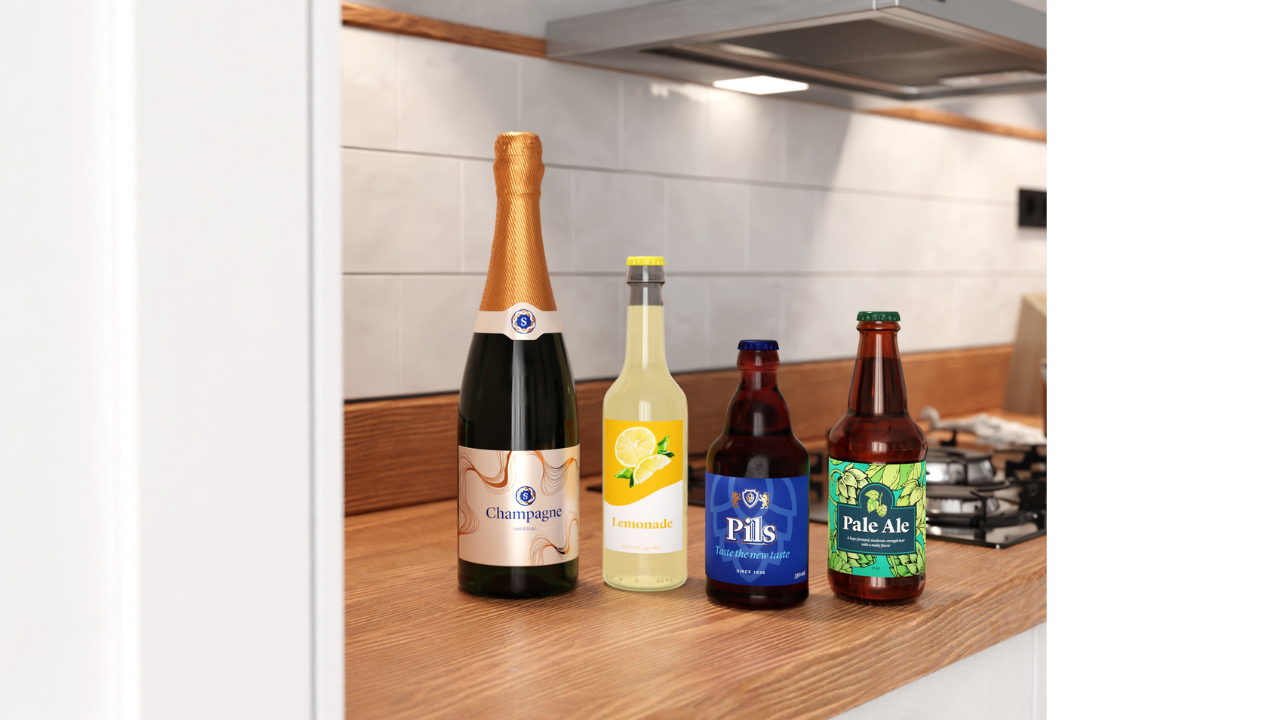
Three years ago, at Interpack, many conversations on the show floor centered on preparing for the EU’s forthcoming Packaging and Packaging Waste Regulation (PPWR). Today, that has shifted. With the PPWR now moving into implementation, food and beverage brand owners are no longer planning for change but applying new sustainability and recyclability requirements across their packaging components, including labels.
This transition from preparation to practical execution is shaping how labelling solutions are evaluated. Brand owners must balance regulatory compliance, recyclability targets and operational efficiency across complex packaging systems.
At Interpack 2026, Sappi will contribute to this discussion by presenting its Parade Label wet glue label paper range. The focus is not on introducing a new format, but on demonstrating how established label papers can support the next phase of regulatory implementation.,
Behind these requirements lies a practical reality. Food packaging and beverage bottling is a tightly coordinated process where many variables interact at high speed. Filling, labeling, inspection, and packing must operate together with ink, adhesive, moisture and temperature conditions.
When a bottling line runs at up to 80,000 bottles per hour, predictability becomes essential. Brand owners are not simply looking for a paper supplier. They need materials that behave consistently as part of a system that leaves little room for disruption. With consistent print quality, stable runnability and reliable wash-off performance in returnable bottle systems, Parade Label solutions can contribute to effective operations.
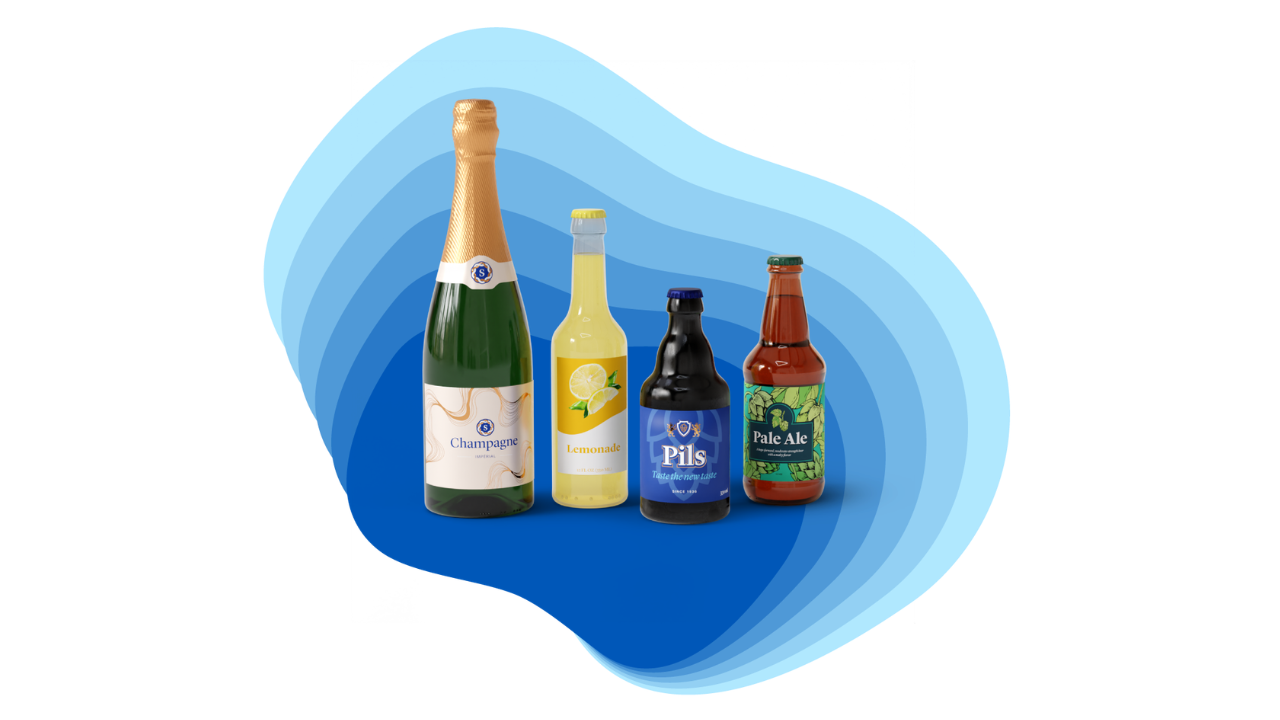
Wet glue labels remain a proven solution for food and beverage applications, particularly in returnable glass systems. But expectations are higher today than they were a decade ago. Packaging is expected to use less material while carrying more regulatory and consumer information. At the same time, sustainability targets continue to rise, placing additional pressure on supply chains and production processes.
The question is no longer whether the label looks and sticks well. The real test is whether, while meeting growing regulatory and sustainability requirements, it behaves consistently and performs the same way every time.
Mechanical reliability under real conditions
At high labeling speeds, even small variations in paper properties can create disruption. Curling, inconsistent lay-flat behavior or uneven glue absorption can slow down operations and increase waste.
Sappi’s Parade Label WS and Parade Label Pro are the answers to this challenge, ensuring quality at every stage – from production to sale. The labels deliver stable mechanical performance, balanced stiffness, controlled absorbency, and reliable lay-flat properties that support smooth feeding from the stack and consistent transfer to the bottle.
This translates into fewer interruptions and more predictable throughput and reduces the hidden costs of downtime and rejects for brand owners.
Wash-off performance in returnable systems
Returnable container systems rely on labels that perform reliably throughout the bottle’s lifecycle. Labels on returnable beverage bottles, for example, must remain secure during distribution and cooling, while also withstanding the washing process and detaching cleanly without dissolving, leaving residues or damaging glass surfaces.
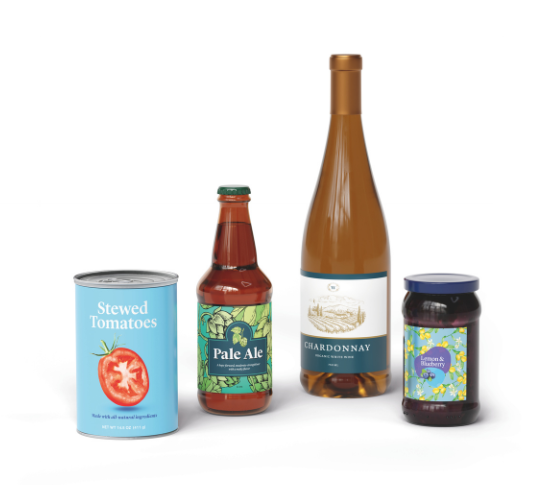
Ease of wash-off is therefore just as important as label adhesiveness. Reliable alkali resistance and controlled penetration help ensure labels detach as intended during the washing process.
When wash-off performs as expected, bottle cycles remain efficient and filling lines run smoothly.
Print quality and readability under pressure
In shelf presence, looks matter. Food and beverage brands compete in a crowded space where design clarity and surface quality influence perception. And here is when the regulatory requirements on packaging material volume vs. consumer information volume raise a practical question: How can smaller label formats carry more content, without compromising readability?
That is why a smooth, consistent surface that supports high-quality flexo, offset and gravure printing, is key. It ensures that barcodes and mandatory information remain clear and legible. This solution connects aesthetics with compliance and brand integrity.
Supply stability and sustainability in the core of business
In recent years, reliability of supply has become just as critical as technical performance. Converters and brand owners now look closely at where a paper is produced, how stable the mill operation is, and how exposed it might be to raw material volatility.
At Sappi’s Gratkorn Mill in Austria, where Parade Label WS and Parade Label Pro are produced, integrated pulp production and modern infrastructure were designed to support one of Europe’s most advanced and largest-scale label machines. The goal is to reduce variables upstream so customers experience fewer surprises downstream. Consistent quality and long-term availability are the outcome of that approach, supporting more predictable planning.
At the same time, with ever-rising sustainability requirements, responsibly sourced and efficiently processed fiber-based labels have a role in circular systems. Certified fiber sourcing, transparent chain of custody and continued investment in decarbonization form part of the framework behind these grades.
The principle, however, remains practical. Environmental progress must go hand-in-hand with operational efficiency. A label should contribute to sustainability targets while still running reliably on an industrial scale.
At Interpack 2026, these same themes will surface in conversations across the halls: how to reduce material use, maintain compliance and protect operational efficiency at the same time. The relevance of wet glue label paper in that discussion lies in its ability to introduce stability into one critical part of the packaging and bottling system, helping teams manage complexity rather than respond to it after the fact.
For in-depth discussions, visitors can book a meeting with one of Sappi’s experts to address specific technical, regulatory or transition challenges. Do not miss out. Book your meeting in advance via Microsoft Bookings and secure a dedicated time with one of Sappi’s labeling specialists.
Stay up to date
Subscribe to the free Label News newsletter and receive the latest content every week. We'll never share your email address.