Ahlstrom launches Acti-V Bio
Release paper with controlled bioburden developed with Solventum.
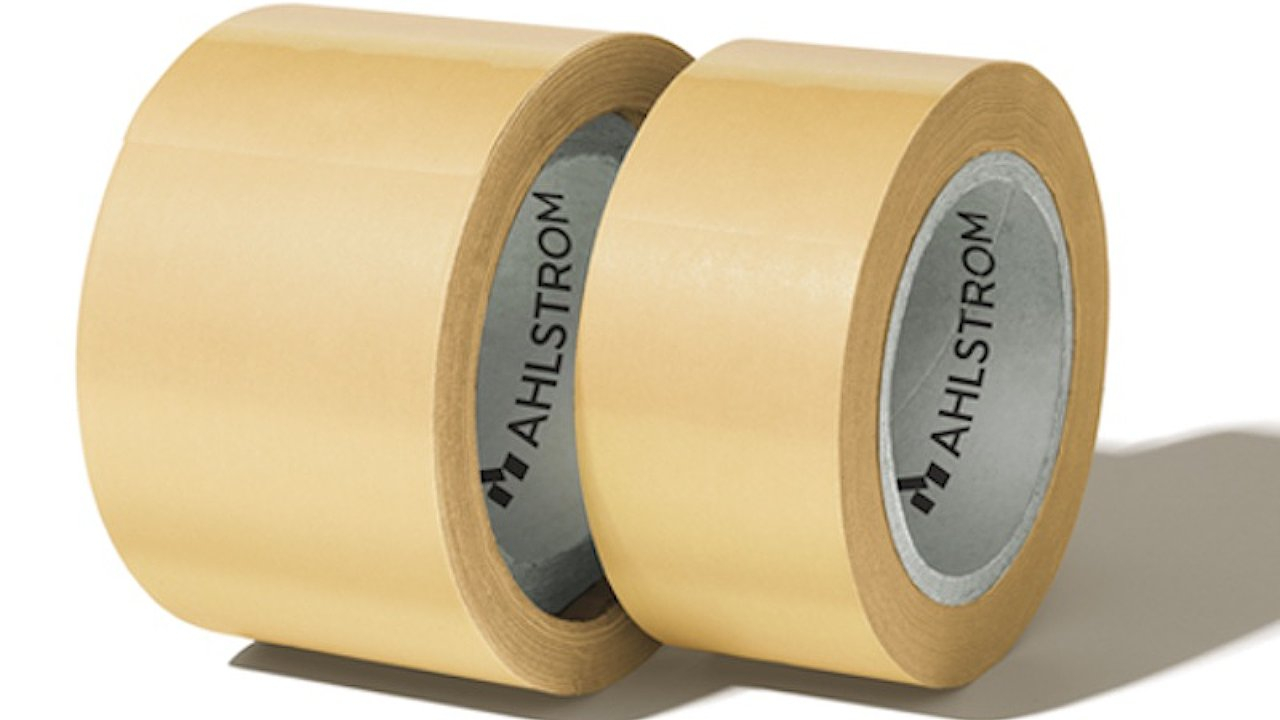
Ahlstrom has developed Acti-V Bio, a controlled-bioburden release liner paper for demanding pressure-sensitive adhesive healthcare applications, in collaboration with Solventum, to support contamination control and effective sterilization.
The new grade expands Ahlstrom's Acti-V range of release base papers, a proprietary technology platform that serves a broad range of release liner applications. Ahlstrom says it combines optimized material design, robust manufacturing controls and stronger contamination-prevention practices to give consistent purity and support sterilization of downstream converted products. Microbial load on the materials is assessed before sterilization using accredited procedures, which measures how effective upstream hygiene practices are. Possible end uses include wound care products, transdermal patches, surgical tapes and wearable or diagnostic devices that use adhesive components protected by a peel-off liner.
Solventum, a global healthcare company and a downstream user of pressure-sensitive adhesive technologies, contributed application expertise that helped define the bioburden expectations and testing methods.
'Acti-V Bio reflects our commitment to developing innovative specialty materials that help customers meet increasingly stringent healthcare requirements,' said Marco Martinez, head of product, sustainability and marketing, release liners at Ahlstrom. 'This product is the result of a comprehensive development program focused on supporting contamination control in demanding healthcare customer applications while preserving the sustainability advantages of renewable cellulose-based materials.'
'As healthcare applications demand the highest standards for contamination control, the quality and consistency of materials throughout the supply chain are critically important,' added David Brodersen, senior director, global sterilization and microbiology at Solventum. 'We worked with Ahlstrom to reduce bioburden variability at the material level, helping manufacturers maintain greater consistency in finished product bioburden and reduce the potential for unexpected microbial challenges to validated sterilization processes.'
Stay up to date
Subscribe to the free Label News newsletter and receive the latest content every week. We'll never share your email address.