Ocean plastics: From crisis to circularity
Plastic waste has long been an issue, but with increasing regulatory pressure, converters are being forced to adapt their sustainability strategies rather than ignore them.
Plastic has been shaping the world for more than 160 years. When British inventor Alexander Parkes patented the first artificial plastic in 1862, it was developed as a substitute for scarce natural materials such as tortoiseshell and ivory during the late Victorian period. At the time, it was seen as a solution that would preserve natural resources while enabling industrial progress.
In 1907, Leo Baekeland combined phenol and formaldehyde to create Bakelite, the first fully synthetic plastic. It was durable, heat-resistant and could be mass-produced. This marked the beginning of plastics as a cornerstone material of the modern economy.
Over the following decades, plastics became embedded in almost every industry, from automotive and electronics to healthcare and, crucially, packaging. The versatility, low cost and durability made it indispensable; however, those same properties have also made plastics one of the most persistent environmental challenges facing the planet today.
Just nine percent of all plastic ever produced has been recycled
Plastic waste is now being found at some of the deepest points in the ocean and even on the highest peaks on Earth. What was once considered a miracle material has become a symbol of poor waste management.
According to the Ellen MacArthur Foundation, the ocean could contain more plastic than fish by 2050 if current trends continue, as an estimated 13 million tons of plastic enter marine environments each year. This represents only a portion of the total plastic waste generated globally, with packaging accounting for a significant share.
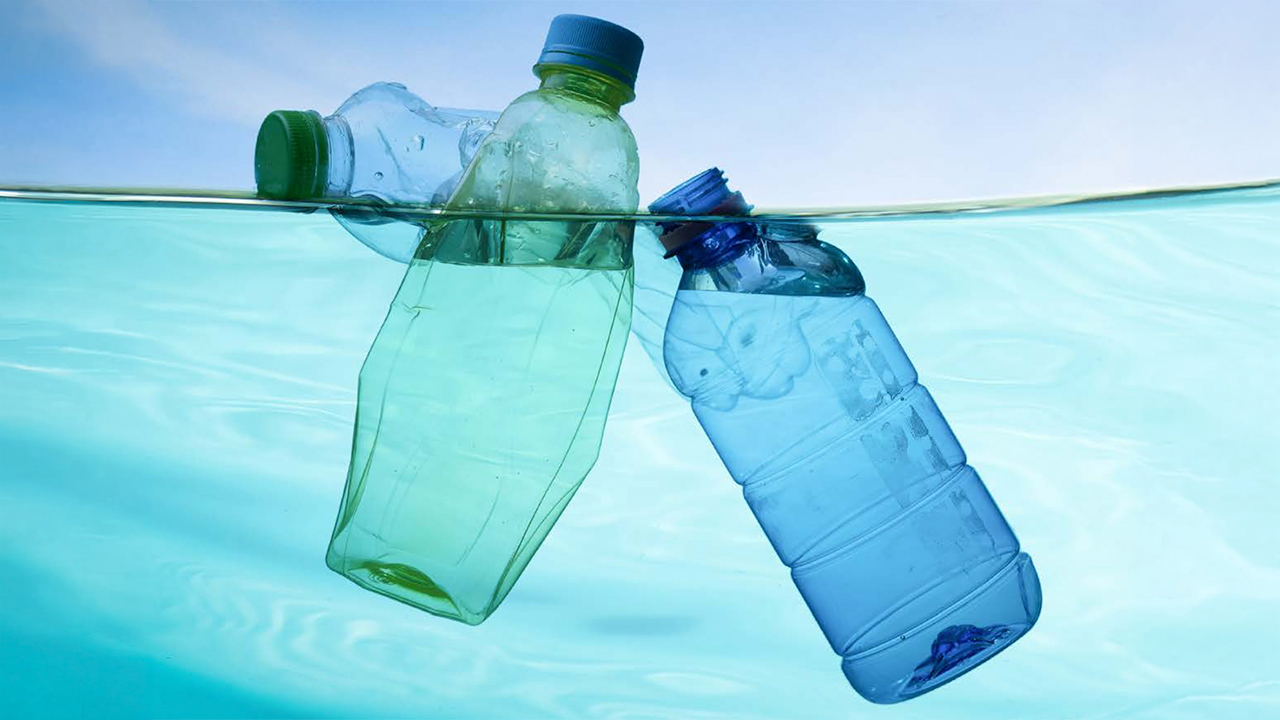
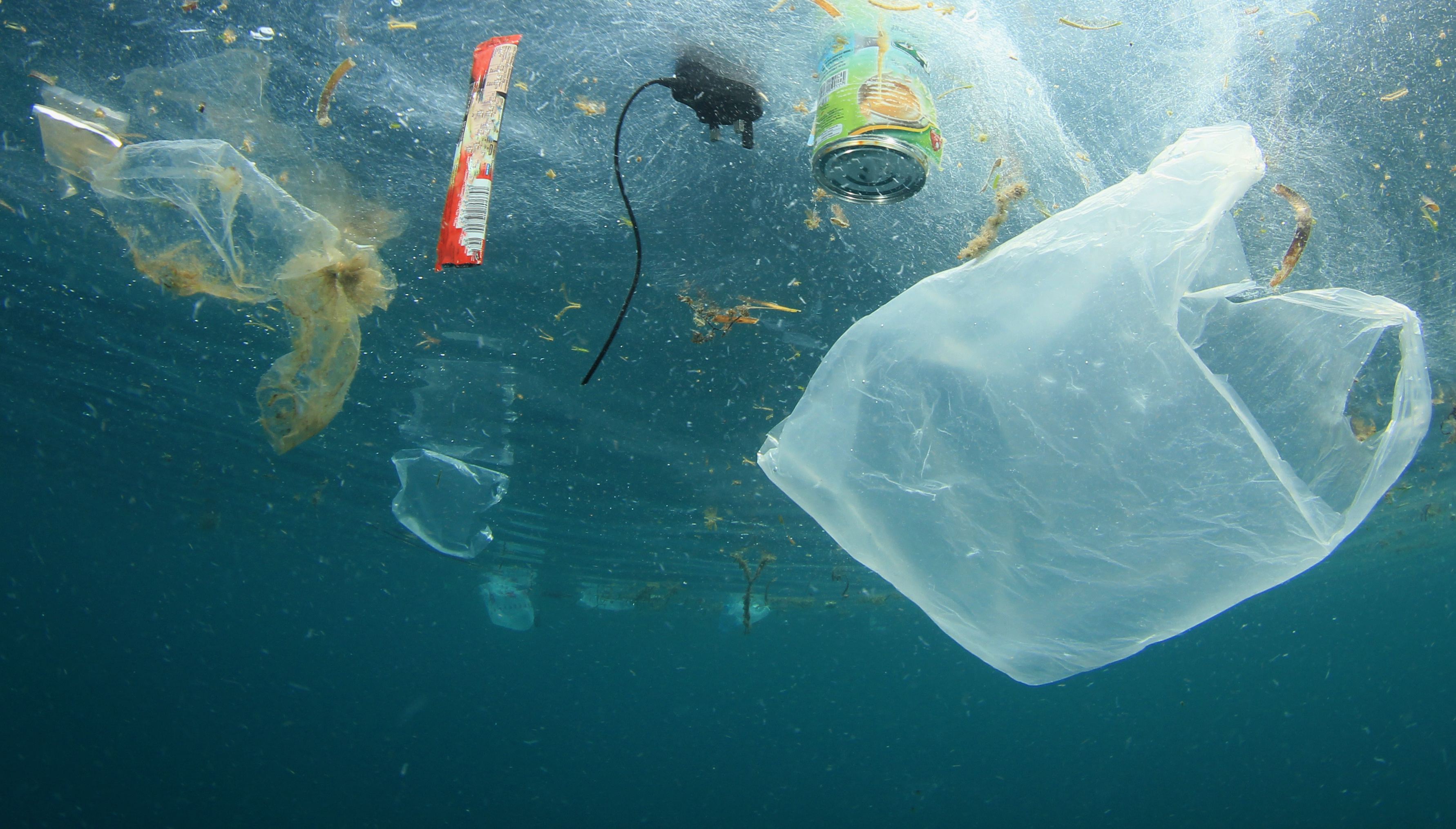
Crucially, much of this plastic is not visible. Research from the European Investment Bank (EIB) suggests that around 95 percent of ocean plastics sink below the surface, settling on the seabed. This means the problem is far larger than what is visible on the surface and far more difficult to address once it reaches this stage.
A structural challenge
Despite growing awareness and increasing public concern, the global plastics system continues to favor the production of virgin material.
According to the EIB, around 95 percent of plastics are still made from fossil-based feedstocks, primarily because of cost. Producing virgin plastic remains cheaper and more efficient than collecting, sorting and recycling waste.
‘The structural cost premium and low recycling rates greatly influence the cost of collecting, sorting and recycling plastics,’ the EIB states. ‘The problem is aggravated by most recycling systems being small and decentralized.’
For the label and packaging industry, this creates a fundamental challenge. As one of the largest users of plastic materials, the sector is under increasing scrutiny from regulators, brands and consumers. At the same time, it must operate within tight cost margins and highly competitive markets.
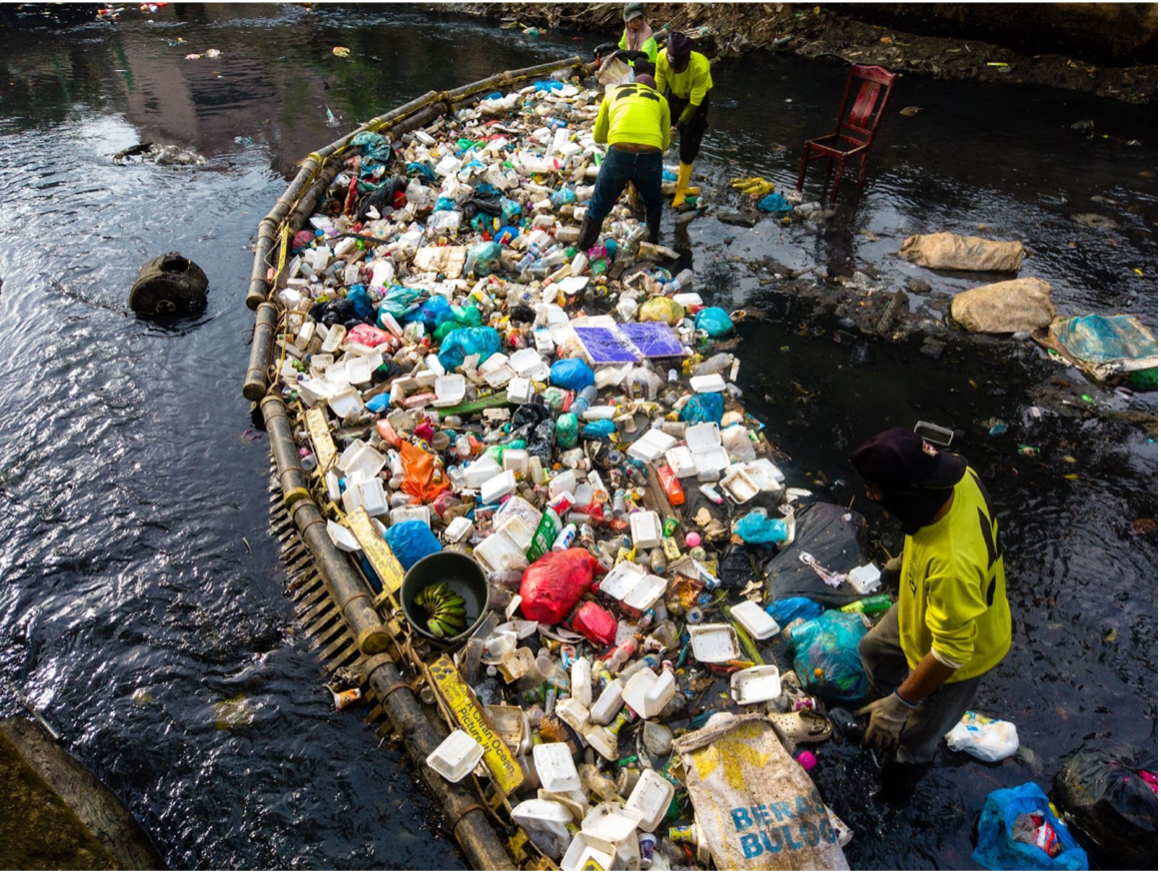
Progress in recycling has been slow, though. Surfers Against Sewage estimates that just 9 percent of all plastic ever produced has been recycled. The rest has either been incinerated, sent to landfill or leaked into the environment.
While charitable organizations continue to play an important role in removing plastic from oceans, it is increasingly clear that clean-up efforts alone will not solve the problem. The focus is shifting toward preventing plastic from entering the environment in the first place and creating systems that enable materials to be reused effectively.
Turning waste to material
One company attempting to address this issue is UPM Raflatac. Its Ocean Action label range is designed to convert ocean-bound plastic waste into usable label material. Rather than retrieving plastic from the ocean itself, a process that is both costly and technically challenging, the company focuses on intercepting waste before it reaches marine environments.
The material is sourced from Asia, where waste management infrastructure is limited, and the risk of plastic entering waterways is high. This approach aims to tackle the problem at its source while also creating value from materials that would otherwise be lost.
The Ocean Action label can be used across a range of applications, including food, beverage and cosmetics packaging. However, there are some limitations. Currently, the labels are available only in white or clear top-coated polypropylene (PP) films, which may restrict their use in certain design applications.
Despite this, the benefits are significant. By using chemically-recycled material, the labels reduce reliance on virgin fossil-based materials. The products are also certified under the International Sustainability and Carbon Certification (ISCC) scheme, providing traceability and assurance for brand owners.
UPM Raflatac states that the recycled material is ‘identical to virgin plastic’ after processing. This involves a multi-step system that begins with collection and sorting, followed by chemical breakdown and rebuilding into a new polymer.
However, the wider sustainability picture is more complex. Plastics are not infinitely recyclable. Most polymers degrade after repeated processing, meaning they can typically be recycled only two or three times before quality declines.
To address this, recycled material is often blended with virgin polymer or additional recovered plastic. While this helps maintain performance, it raises questions about how ‘recycled’ a product truly is.
This brings transparency into focus. As brands increasingly promote the use of recycled materials, there is growing pressure to communicate the amount of recycled content in a product clearly.
Recycled PP
Across Europe, CCL Industries is taking a different approach: Focus on mechanically-recycled polypropylene (PP).
In collaboration with Innovia Films, Spectra Packaging, Bantam Materials UK and Petman, the company has helped develop what is described as the world’s first EU-approved food-safe recycled PP material.
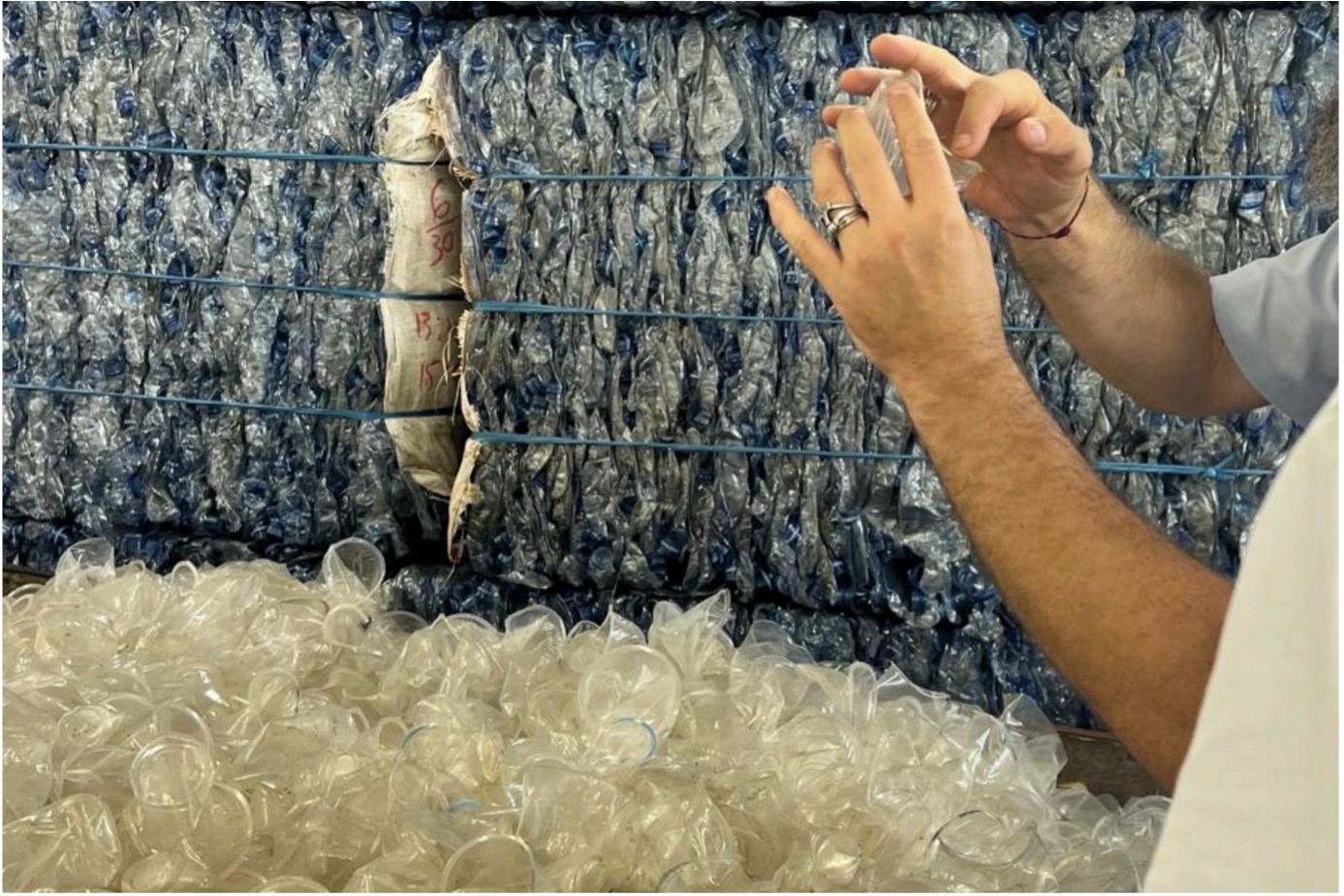
Using Starlinger Viscotec technology, the process focuses on recovering post-consumer PP, particularly from used cups collected near coastal regions. The partners estimate that this technology could prevent up to 500 million PP cups from entering the ocean each year.
Marika Knorr, head of sustainability and communication at CCL, says: ‘These are not plastics that have been recovered from the ocean,’ she explains. ‘Controlled collection centers pay for used cups sourced from population centers near at-risk coastlines. Trained and registered collectors are paid, which provides local employment and prevents waste from being discarded into the environment.’
This model not only reduces environmental leakage but also creates economic opportunities in regions where waste collection infrastructure may be limited.
Initial testing showed that the recycled polymer performed well within Innovia’s production processes. Early batches of film contained around 35 percent recycled content, with further optimization underway.
‘Once we had the polymer, it was a matter of time to formulate films, run production trials and optimize our processes,’ Knorr says.
The partners believe the material has potential across a wide range of applications, including bottles, caps and food trays. However, challenges remain, particularly regarding visual appearance.
In transparent applications, minor imperfections can be visible, potentially affecting acceptance among brand owners.
Food safety and regulation
In the UK, regulatory bodies are taking a cautious approach. The Food Standards Agency (FSA) has stated that there is currently insufficient evidence to confirm the safety of certain recycled plastics derived from environmental waste when used in food packaging.
Dr James Cooper, deputy director of food policy at the FSA, notes: ‘Such initiatives, if carried out appropriately, can protect the environment while supporting innovation and economic growth.’ He further says: ‘However, our role is to ensure food is safe, and we have concerns over the safety of these plastics in their recycled form.’
Despite this, industry players remain confident that ongoing research and development will address these concerns over time.
Neil Hudson, technology expert at Innovia Films, describes access to EU-approved food-contact recycled PP as a ‘game changer’, enabling greater circularity in the food and beverage packaging sector.
The cost and adoption challenge
Cost remains one of the most significant barriers to the widespread adoption of recycled materials.
‘High-quality, mechanically recovered polymer is currently more expensive than virgin polymers made from fossil-based oil,’ says Knorr. However, she argues that this additional cost delivers environmental benefits, including reduced carbon emissions.
She describes the price increase as a ‘fractional’ uplift that offers good value in the context of sustainability.
Around 95 percent of plastics are still made from fossil-based feedstocks, primarily because of cost
Adoption across the industry remains uneven, though, and some companies are investing heavily in recycled materials and processes, while others are taking a more cautious approach.
‘Like any innovation, there are early adopters, and there are others who prefer to follow,’ Knorr says.
With the EU’s Packaging and Packaging Waste Regulation (PPWR) approaching,
this dynamic is expected to change. Companies that delay may face challenges in securing high-quality recycled materials as demand increases.
Designing for recyclability
In addition to material innovation, there is a growing focus on designing packaging for recyclability. This includes simplifying structures, reducing material combinations and moving towards mono-material options. By designing products with end-of-life considerations in mind, companies can improve the efficiency and effectiveness of recycling systems.
‘These initiatives throughout the value chain will increase the quality of recycled polymer,’ Knorr says.
For the label industry, this presents both challenges and opportunities, requiring new approaches to product design and material selection.
What experts say
It is not just consumer confusion about what plastic can and can’t be recycled, but also companies struggling due to an ever-changing regulatory landscape.
Martin Davis, former president of business unit films at Coveris, who now runs his own consultancy focused on sustainability strategy, highlights that it is a constant challenge to stay on top of the legislative framework and to integrate it into strategic decision-making.
‘The packaging industry has always been conscious of its sustainability responsibilities, but progress towards true circularity and the elimination of waste leaving the sector has been inconsistent,’ says Davis.
The introduction of Packaging Extended Producer Responsibility (PEPR) in the UK has, at its heart, the principle that the company that places packaging material on the market is responsible for covering the costs of collection, recycling and disposal of these materials. ‘This new and highly complex framework will understandably adapt and evolve over time. It should not be underestimated just how much time and resources businesses require to interpret and comply with its requirements. This is particularly challenging for SMEs,’ explains Davis.
There are also concerns about unintended consequences from the legislation in its current form, according to Davis. ‘An example would be fiber-rich products with a small element of non-fiber material below 15 percent of total product weight. These fiber-based composite materials, including some types of labels, are recyclable within existing mechanical facilities but have a much higher burden of EPR fees than equivalent harder-to-recycle alternatives, potentially risking non-optimal packaging material choices.’
Davis highlighted that a combination of stakeholder pressure, government legislation and the understanding that improving financial performance and driving sustainability are not mutually exclusive has accelerated progress here, notably post-Covid. An example of this is the Coveris ReCover dedicated recycling business, which includes a significant investment in a bespoke printed-film de-inking line.
‘The packaging sector is willing to step up regarding increasing recycling rates, and Coveris’ ReCover business is a great example,’ Davis says. ‘For example, the majority of end-of-life printed polyethylene packaging has either been incinerated, sent to landfill or downcycled into low-grade single-use applications. Coveris has invested in ground-breaking de-inking technology, which allows printed flexible PE film to be cleaned and reused, keeping it in the circular economy.’
Specifically, regarding plastic waste entering the marine environment, Davis highlights initiatives such as Operation Clean Sweep (OCS), the Ocean Plastics Charter and individual business activities such as ‘owning’ sections of UK beaches for cleaning as clear and positive steps forward.
As part of Operation Clean Sweep, packaging manufacturers are helping address ocean plastic pollution. This global initiative to prevent plastic resin loss into the environment is led in the UK by the British Plastics Federation (BPF). ‘Whilst a voluntary scheme, OCS has over 300 participating signatories in the UK. By joining the scheme, businesses are given tools and support to improve management of their pellet-form raw material and, in particular, provide practical ways of avoiding pellets finding their way into the environment in general and water courses in particular,’ explains Davis.
UK capacity for recycling
Davis also highlighted the importance of growing recycling capacity in the UK. ‘A key element of the EPR legislation is the aim to increase curbside collection of packaging waste significantly, managed under the ‘Simpler Recycling’ initiative. However, there is a misalignment between the planned growth in waste collection rates and the current UK recycling capacity. There simply isn’t enough capacity to recycle the collected waste at the levels planned, particularly regarding flexible plastic packaging.’
He highlights that, for several reasons, including adverse financial conditions for recycling businesses, 17 plastic reprocessing sites, with a combined capacity of 400,000 tons, have become nonoperational in the last three years (according to BPF estimates).
‘It is vital that this issue is acknowledged and addressed, and there are levers available such as targeted energy cost support, toughening enforcement against fraudulent actors in the space and directing elements of the income from areas such as EPR fees and the UK Plastics Packaging Tax into recycling.’
The penny has really dropped with packaging users and producers that improving financial performance, creating value for shareholders and driving true sustainability within their business model are no longer mutually exclusive
The risk is that, without sufficient UK recycling capacity, UK packaging waste will continue to be exported in large quantities for reprocessing, and with it comes the risk that this waste will not be reprocessed in an environmentally responsible manner. ‘Licenses for export reprocessing are meant to safeguard the outcome for UK packaging waste and avoid it causing environmental damage overseas. Practical oversight and auditing of overseas reprocessors is difficult and limited, says Davis.
‘The current system makes it too easy and attractive for waste to be exported without the necessary checks and balances to ensure the waste is reprocessed in an environmentally responsible manner. Reform of this system is a key element of ensuring UK recycling businesses are given a fair playing field, which in turn will assist the growth of UK recycling capacity.’
This is not just a UK problem. In 2023, 1.3 million tons of recyclable plastic waste were exported from the EU, a significant figure but accounting for just 15.3 percent of the total recyclable waste exported. The UK is considered the largest contributor to this in Europe, followed by Germany.
Recycled ocean plastics
Recycled plastic packaging and labels sound great in theory, but they have some practical drawbacks.
When recycling flexible plastic materials, the recyclate often shows slight discoloration.
While this doesn’t affect the product’s mechanical properties, it can affect the material’s visual appearance.
‘Recycled polyethylene can, in its flat film format, appear to have a deeper haze than material made exclusively from virgin materials,’ explains Davis. ‘Other traits can be a light discoloration, often shown as a green tinge. When major brand teams see this effect, they often assume it indicates a quality defect and are sometimes reluctant to use the material.’
Through multiple mechanical recycling cycles, this effect can become more pronounced.
‘If materials meet all technical, safety and performance requirements, the next step is a shift in mindset, from brands and retailers to consumers, with a willingness to accept small aesthetic deviations to continue to grow the use of recycled content.’
The big shift in business mindset is that sustainability is no longer considered a cost of doing business. Now it is an existential business driver.
Davis concludes: ‘The penny has really dropped with packaging users and producers that improving financial performance, creating value for shareholders and driving true sustainability within their business model are no longer mutually exclusive. They are inextricably linked now.’
As the pressure on PPWR and EPR in the UK increases, converters must become proactive sooner rather than later. Those who delay may be left behind.
The number of options for creating labels and packaging from sustainable materials like ocean plastics is growing, and even if the finished product has flaws, it might be time to overlook them and educate consumers about why a product’s branding has changed slightly due to recycled material and encourage them to embrace it instead of avoiding it.
Charitable efforts from UK converter
UK-based A4 Labels has pitched in over the past year to help tackle ocean plastics on the South coast of Britain and has also been testing UPM Raflatac’s Ocean Action labels. Charlie Hawker, managing director of A4 Labels, shares that the samples A4 Labels received had curled too much during the glassine liner process, and UPM was looking at kraft liner alternatives for them.
Although Hawker did share that this is common with glassine liners, as the ‘heat from the press just rolls it up like a telescope and makes application fiddly and difficult.’ He intends to use the labels on the company’s roll-label digital printers later this year.
During the 2025 cricket season, the company sponsored Portslade Cricket Club and incentivized batters to score more runs by clearing 1kg of plastic waste from the shores of Brighton and Hove for every 20 runs scored.
Hawker shares: ‘We wanted to bring something different to a traditional sponsorship.

‘Supporting Portslade Cricket Club meant we could back a fantastic local team while making a measurable difference to our oceans. Every boundary hit took us one step closer to a cleaner planet.’
This wasn’t the only recycling project A4 Labels focused on through 2025, though, as the business collected more than 2.25 tons in total.
Alongside charity Seven Clean Seas, the total amount of plastic removed from the ocean rose to 409kg, collected along 4.4km of the coastline, which is almost equivalent to 50 full-sized football (soccer) pitches.
A4 labels was founded in 2010 on the principle of sustainability by Hawker’s father, Colin Hawker, who saw an opportunity in a wasted sheet of labels. Now, the company provides labels worldwide. It also supplied labels to the NHS during the pandemic.
Charlie Hawker feels the issue of ocean plastics is close to his heart, as the A4 labels factory is situated a stone’s throw from the ocean in Brighton, and he can see the beach from his office, which is one reason the company feels so passionately about cleaning the ocean.
Charlie Hawker notes: ‘I thought it would be the perfect kind of partnership and cause to have that eco-effect that we were looking for, but something that actually is quite close to us, not just as a business, but as the individuals within the business as well.’
He further notes: ‘We try to have fun with social media, involving our customers with their designs so they can shout about it. We’ll give them a shout out, and they can see from every order, they’ll get an email from me of what percentage was donated from their order. How many kilos were collected and how many plastic bottles would that equate to?’
For this project, A4 labels worked with Seven Clean Seas but had previously worked with the Ocean Cleanup Project.
When asked about the ever‑encroaching PPWR, Charlie Hawker comments that he has not been focusing on this too much yet, but it is ‘on his radar,’ as he exports labels to the EU.
In the long run, Charlie Hawker hopes his company’s charitable escapade will inspire other label converters to play their part in tackling the issue of ocean plastics and intends to publish personalized stats for each of A4 Label’s clients to share with them how much of an impact their custom is having on the clean-up with Seven Clean Seas.
Despite the honorable effort from A4 Labels, Portslade Cricket Club and Seven Clean Seas, there are still millions of tons of plastic waste in the ocean, causing damage not only to the aquatic ecosystems but also to the human population, as microplastics are being found within seafood and other areas of the food chain.
Stay up to date
Subscribe to the free Label News newsletter and receive the latest content every week. We'll never share your email address.