Data proves conventional printing competes with digital
While digital presses have become faster and wider, increasing the ‘crossover’ point with conventional presses, conventional manufacturers have pushed back, with machines that can handle shorter runs with less waste and faster changeovers.
Nilpeter’s rotary offset machines are a good example. A decade ago, the first generation MO3300 required inserts to change repeat length and generated significant material waste running up to water-ink balance, making it unsuitable for shorter runs.
Today’s MO-4 machines use fast change sleeves to move between job sizes and a wide range of intelligent tools for automated set-up, which are particularly effective for repeat jobs.
It is difficult to work out theoretically how these advances change the cut-off point against digital printing. So L&L was interested to receive detailed production and costing data from a leading converter that allows such an analysis to be undertaken.
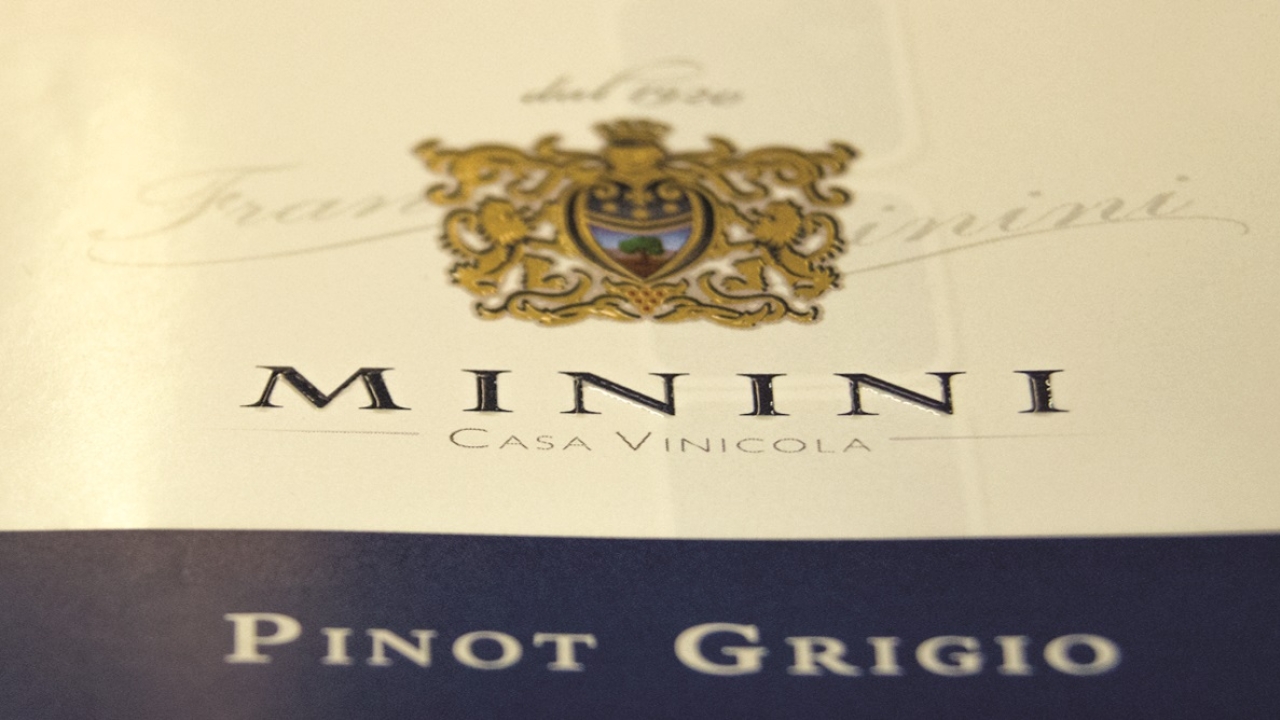
The converter has asked to remain anonymous to protect its costing information, but the following figures come from the company’s own press operator teams and compare running the same wine label job across three platforms: a Nilpeter MO-4 rotary offset press; a translative offset press; and a digital press with off-line converting.
The run length was 45,000 wine labels, or 1,350 meters of Avery Dennison’s Velmart Fasson labelstock. The starting conditions for each press were the same: the machines were clean and ready to run, but without inks (apart from the digital press), plates, tooling or settings for material type or width.
Stay up to date
Subscribe to the free Label News newsletter and receive the latest content every week. We'll never share your email address.