Sustainability: Moving from intention to impact
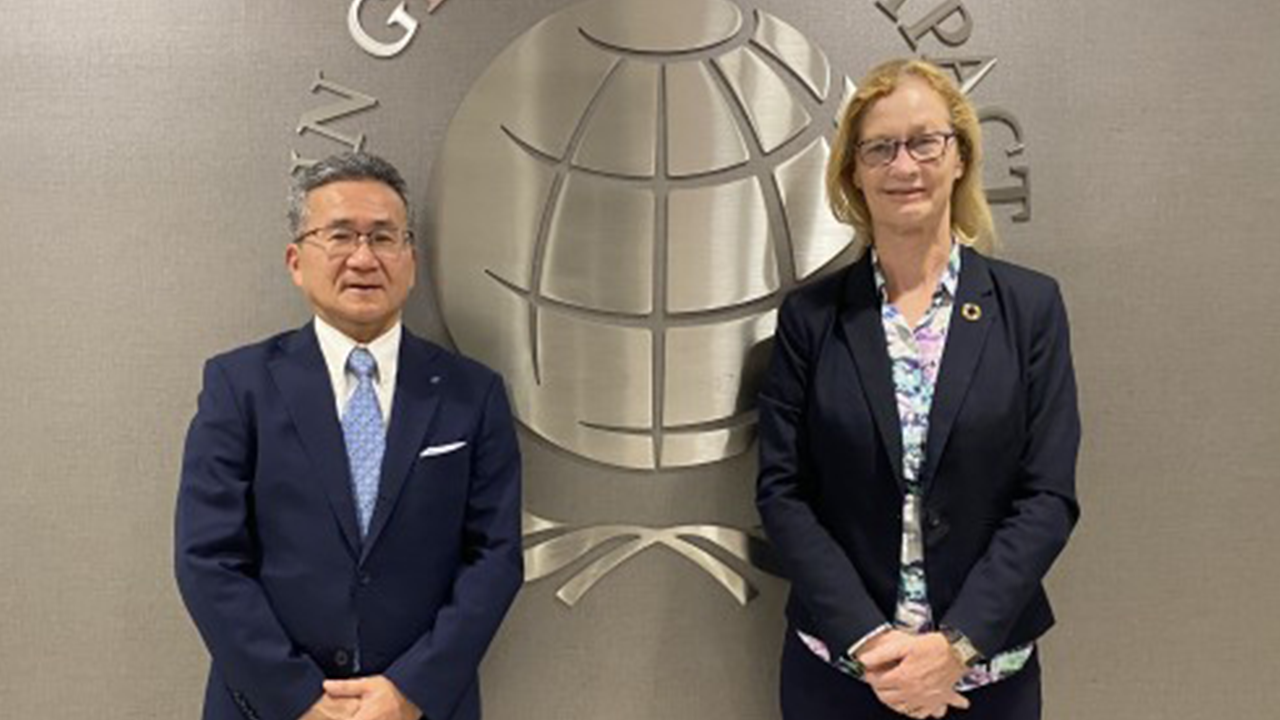
Tyler Matusevich, Loupe Americas' sustainability ambassador, reflects on the changing landscape of sustainable packaging.

Tyler Matusevich, director of sustainability at Brook + Whittle, is joining Loupe Americas 2026 (formerly Labelexpo Americas) as sustainability ambassador. His work is focused on helping customers make sense of sustainable packaging, recyclability, regulatory compliance and circular design – and turning those goals into packaging that actually works. In this article, he shares his view on the role of sustainable packaging and the innovations helping to move the industry forward.
Why sustainable packaging matters
As director of sustainability, I work with customers, suppliers, recyclers, industry groups and internal teams to connect big-picture goals with real-world packaging decisions. Before Brook + Whittle, I spent several years at UPM Raflatac focused on sustainable labeling, and I continue to stay involved with organizations such as TLMI, Sustainable Packaging Coalition (SPC) and the Association of Plastic Recyclers (APR).
What first drew me to sustainability was realizing how much impact packaging decisions can have. Packaging is highly visible, but it is also technical. Behind every container, label, sleeve, adhesive, ink, coating or material choice is a larger system of recycling infrastructure, sortation technology, regulation and consumer behavior. A packaging component may seem small, but it can determine whether a package is recyclable, compostable or reusable.
That complexity keeps the work interesting. Most brand owners want to make better packaging decisions, but they are balancing sustainability with cost, performance, appearance, regulation and speed to market. My role is to make that process more practical and less overwhelming.
Beyond 'eco-friendly' claims
One of the biggest trends shaping the industry is the shift from broad sustainability claims to specific, evidence-based packaging design. It is no longer enough to call a package 'eco-friendly'. Brands need to understand whether it is recyclable, whether the label or sleeve works within the recycling stream, whether it can be sorted properly, how packaging choices may affect EPR fees or regulatory obligations, and the carbon footprint through life-cycle analysis.
This matters for labels and package decoration. Labels, sleeves, adhesives, inks and coatings are not always the largest part of a package by weight, but they can determine whether the entire package succeeds or fails in recycling. The right label technology can help brands maintain shelf impact while supporting recyclability.
Innovation in sustainable packaging
Digitalization and AI are also changing sustainable packaging. Digital tools can help teams manage packaging data, compare design options, support compliance, reduce artwork errors, and improve production efficiency. AI can help analyze packaging information, identify risks, and speed up decision-making. These tools will not replace packaging expertise, but they can help teams make better decisions faster.
Changing consumer expectations
Consumer expectations are changing too. Consumers still care about sustainability, but they are more skeptical of vague or unsupported claims. They want packaging that is recyclable, responsibly sourced or made with recycled content, while still expecting convenience, quality, affordability and product protection.
The biggest challenge is that there is rarely a perfect answer. A package has to protect the product, run efficiently, meet regulatory requirements, look good, hit cost targets and improve environmental outcomes. Cost pressures from materials, labor, energy, freight, compliance and testing make those trade-offs even harder. Innovation will play an important role, especially in recyclable shrink sleeves, wash-off adhesives, lightweight materials, improved sortation and better data systems.
Combining product protection and recyclability
Many light-sensitive products, including dairy, beverage, nutraceutical and personal care have traditionally relied on white or colored PET packaging to protect product quality. New light-blocking sleeve technologies are helping brands move to recyclable clear PET while maintaining light protection, shelf appeal and product integrity.
Technologies like Brook + Whittle's GreenLabel BlockOut block up to 99 percent of light while keeping containers clear and recyclable. The sleeves sort as PET and are fully compatible with recycling. This approach has received APR Design for Recyclability Recognition, as well as How2Recycle pre-qualification as widely recyclable on eligible clear PET bottles. This demonstrates how innovation can balance product protection with sustainability objectives.
Sustainable packaging has become a normal part of packaging development rather than a separate conversation. Design-for-recycling principles are built in from the start. EPR and eco-modulation will push companies to better understand the packaging they put into the market. Recycled content, smart packaging and data transparency will continue to grow.
That is why I think Loupe Americas is so important. As the show evolves from Labelexpo to Loupe, it reflects where the industry is heading: a broader view across labels, mid-web flexible packaging, in-line carton converting, automation, smart packaging and sustainability.
Stay up to date
Subscribe to the free Label News newsletter and receive the latest content every week. We'll never share your email address.