Labels target food waste reduction
Avery Dennison research highlights intelligent labels' role in supply chain visibility.
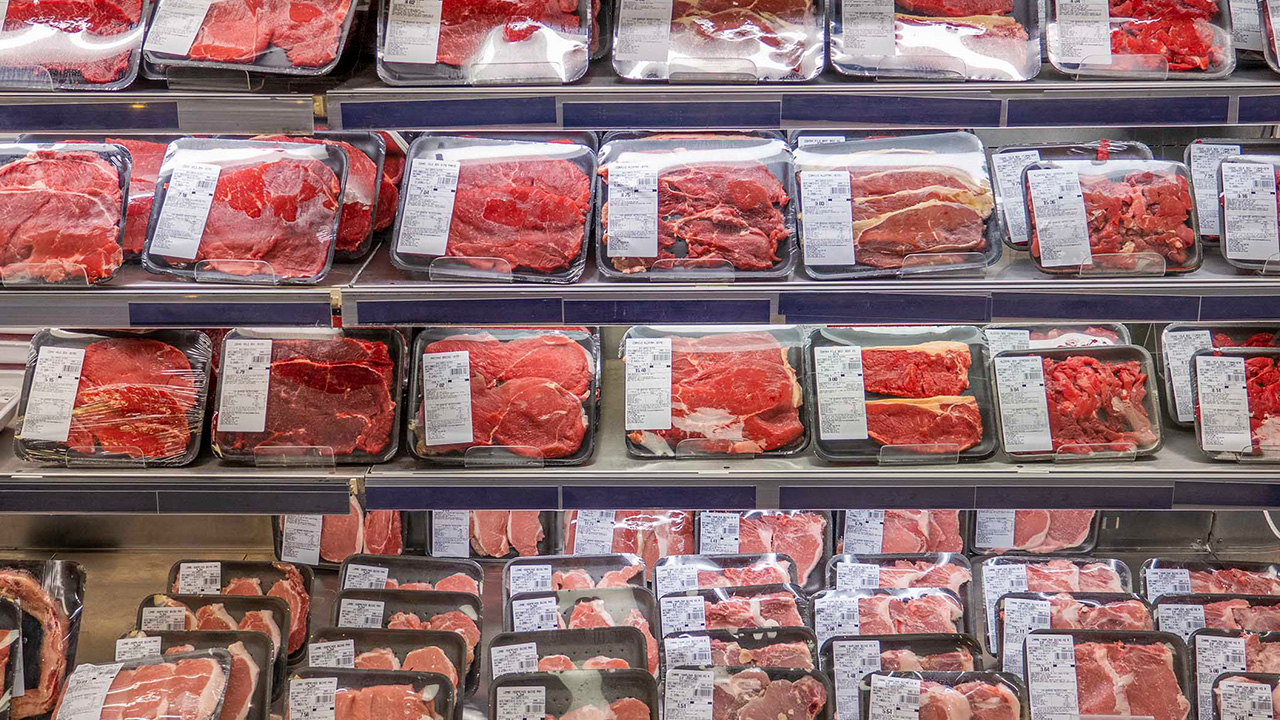
Avery Dennison has published research highlighting how intelligent labels can address food waste across the global supply chain, which is forecast to reach 540 billion USD by 2026.
The Making the Invisible Visible report, which surveyed 3,500 global food retailers and supply chain leaders, found that 61 percent of businesses lack full visibility into where food waste occurs across their operations. The company positions intelligent labels as a key technology to address these blind spots and transform food waste from an operating cost into measurable value.
Transit emerged as a critical area where labels can provide visibility, with 56 percent of companies reporting they do not have a clear understanding of how much food waste happens during transportation. The research identified meat as the most challenging category, projected to cost 94 billion USD in lost output in 2026, followed by fresh produce at 88 billion USD.
'The biggest challenge is what we can't see. From transit to shelf, blind spots are silently eroding margins,' noted Julie Vargas, vice president and general manager of enterprise intelligent labels growth at Avery Dennison. 'With the right innovation, we can turn this loss into measurable value and shift the conversation on food waste, from being purely seen as a sustainability issue, into a business critical one.'
The report found that inventory management and overstocking contribute significantly to food waste for 51 percent of business leaders. Avery Dennison suggests that intelligent labels can enable item-level inventory visibility, demand forecasting and real-time shelf-life management to address these challenges.
Economic volatility and shifting consumer demands are exacerbating food waste issues, with 74 percent of retailers stating inflation is making it harder to predict demand for fresh meat and 73 percent reporting rising consumer demand for smaller meat portions or alternatives.
'Over seven in ten business leaders told us that they see tackling food waste as a growth opportunity,' added Michael Colarossi, vice president and head of enterprise sustainability at Avery Dennison. 'That's why the 540 billion USD in lost value should be a clear call to action for the food retail supply chain to cut waste and boost efficiencies.'
If current trends continue, the cumulative cost of food waste from 2025 to 2030 is expected to reach 3.4 trillion USD.
Stay up to date
Subscribe to the free Label News newsletter and receive the latest content every week. We'll never share your email address.