Loftware wins case study competition
Software specialist recognized for SAP-integrated product identification transformation at Lubrizol.
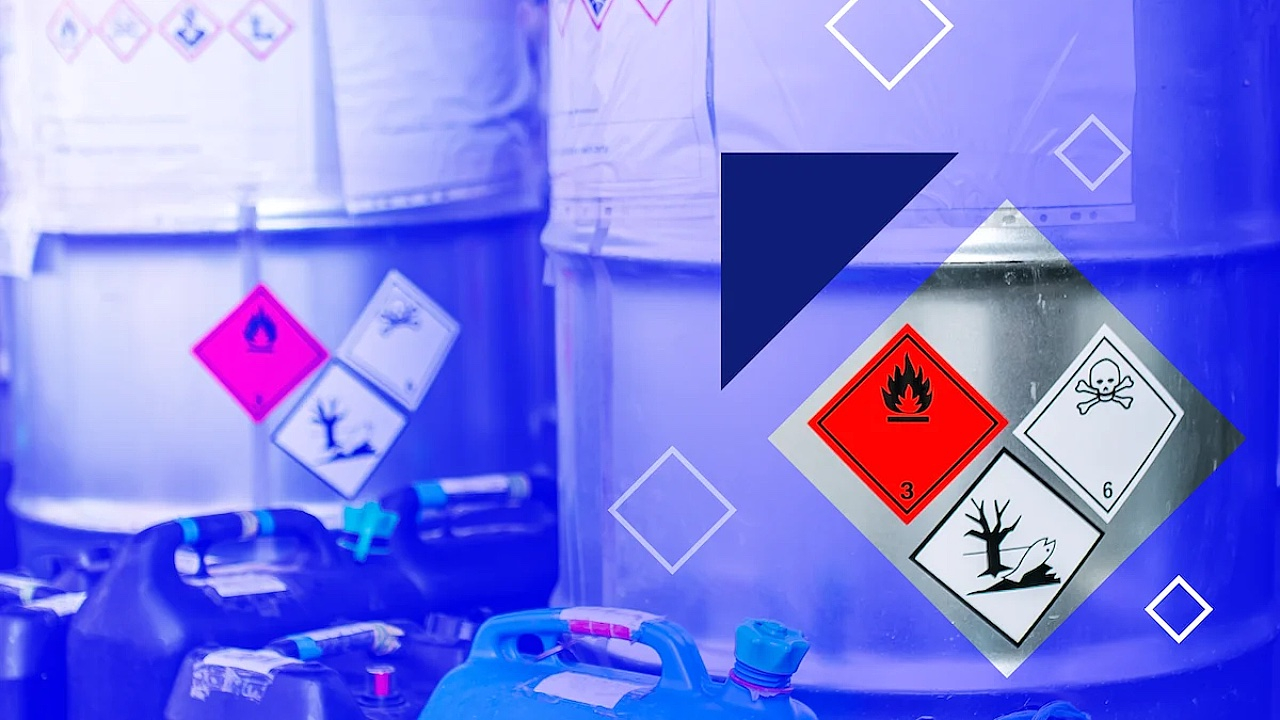
Loftware has been named a winner in the AIM 2026 Case Study Competition, taking top honors in the AIDC Warehousing category for its customer success with Lubrizol, a global specialty chemicals leader operating in more than 100 countries.
Loftware’s submission highlighted how Lubrizol modernized its global product identification strategy by integrating Loftware with SAP ERP, creating a centralized and automated environment tightly aligned with enterprise data. This transformation enabled the company to move away from fragmented, manual, and pre-printed labeling processes toward a fully digital, on-demand model that improves accuracy, strengthens regulatory compliance, and ensures consistency across manufacturing and warehousing operations.
‘This recognition reflects the value of connecting product identification directly to core enterprise systems like SAP,’ said Michael Ward, chief customer officer at Loftware. ‘Lubrizol’s transformation shows how a centralized, cloud-based approach can improve accuracy, strengthen compliance, and increase operational efficiency. It also eliminates costly unknowns that slow down global operations. With Loftware, it’s all right there - accurate, up-to-date product data available at every step.
‘When product identification is integrated with SAP, it becomes a strategic capability that supports collaboration across the supply chain at scale. It helps align data between internal teams and external trading partners, reduces complexity and cost, and enables more consistent execution across global operations.’
By leveraging real-time SAP master data to drive label generation, Lubrizol eliminated reliance on pre-printed labelestock and significantly reduced manual intervention in the process. This also improved alignment across its global operational footprint, including manufacturing sites, distribution centers, and downstream partners that depend on accurate information for logistics and handling. Standardizing labeling through SAP helped reduce variation and improve coordination across this broader operational ecosystem.
The transformation delivered measurable business impact, including reducing labelestock types from 20 to 5, streamlining global workflows, and achieving approximately 30 percent savings in hardware, supply, and maintenance costs. In addition, reducing pre-printed labels and misprints significantly lowered waste from paper, ink and packaging, supporting Lubrizol’s sustainability objectives.
Stay up to date
Subscribe to the free Label News newsletter and receive the latest content every week. We'll never share your email address.