Setting up an automated stock management system has become critical as label printers are increasingly asked by brand owners to provide traceability of all self-adhesive materials for every batch
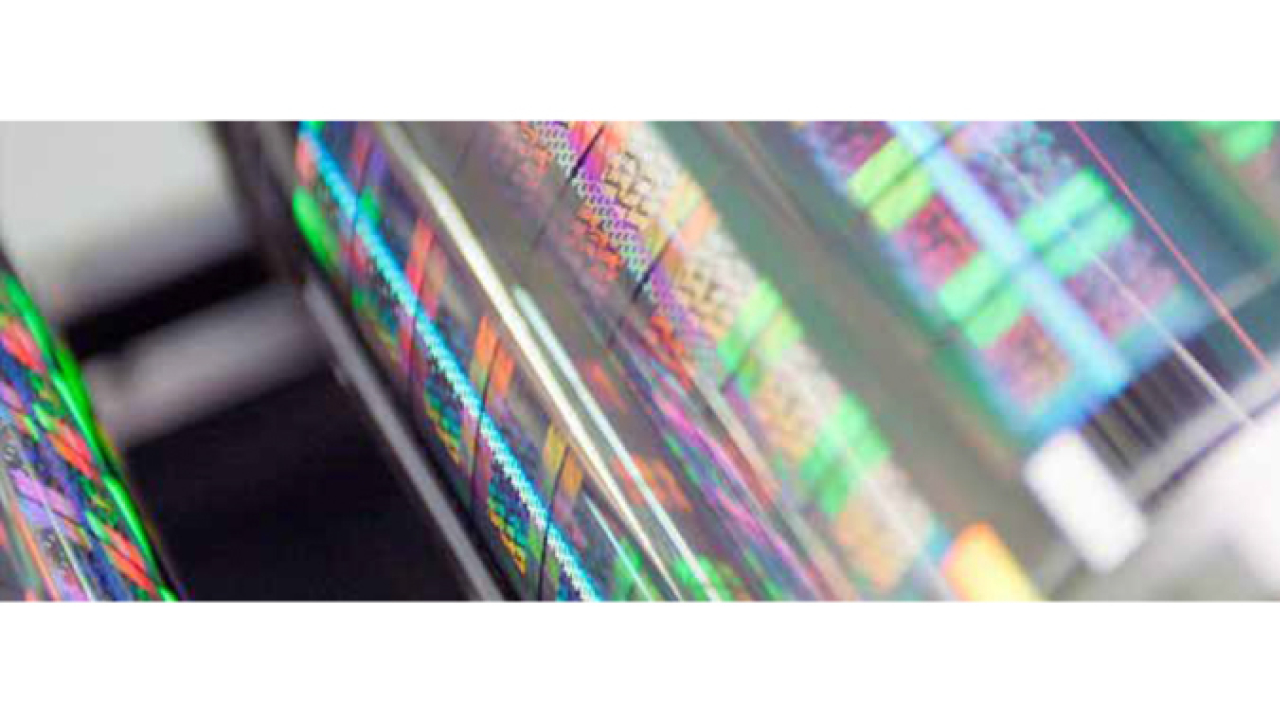
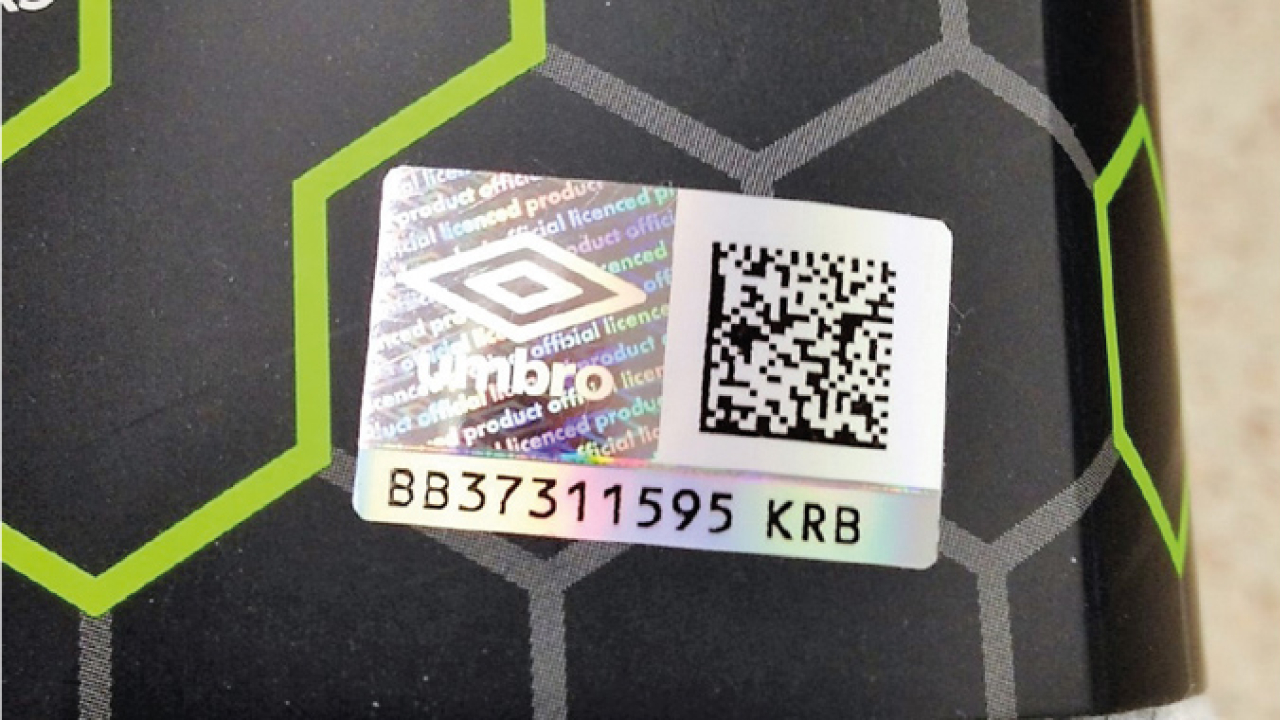
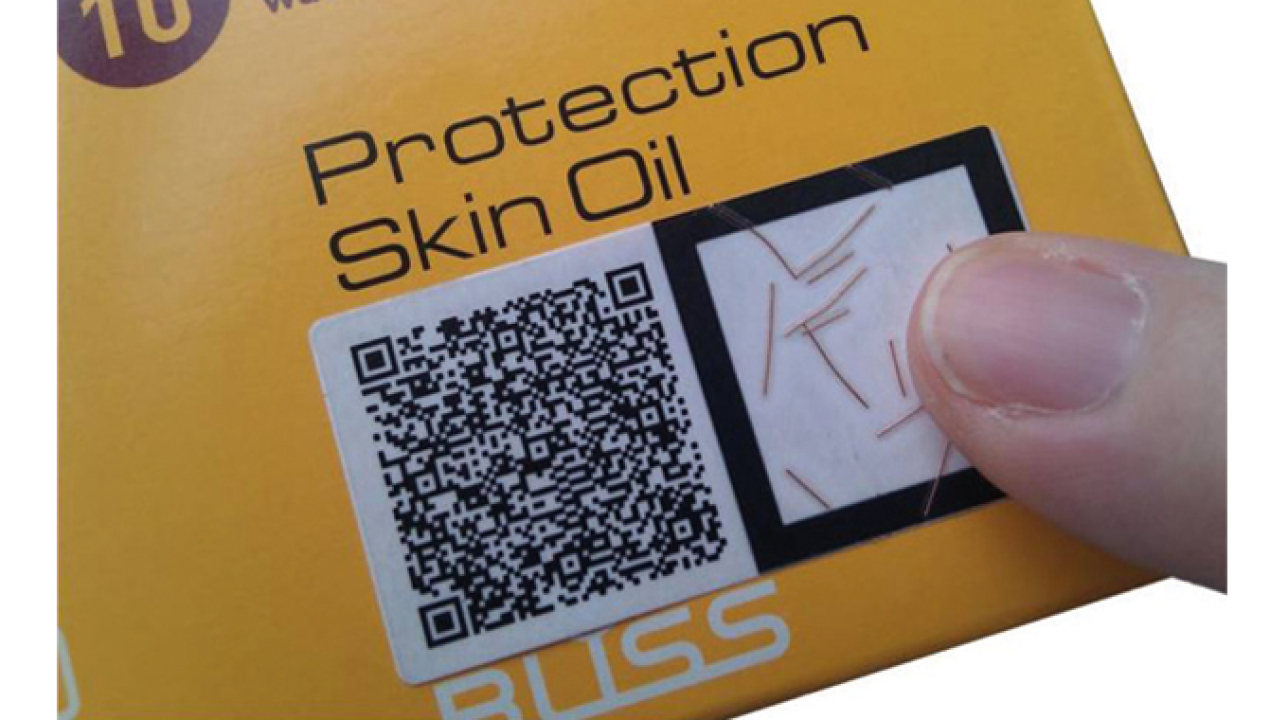
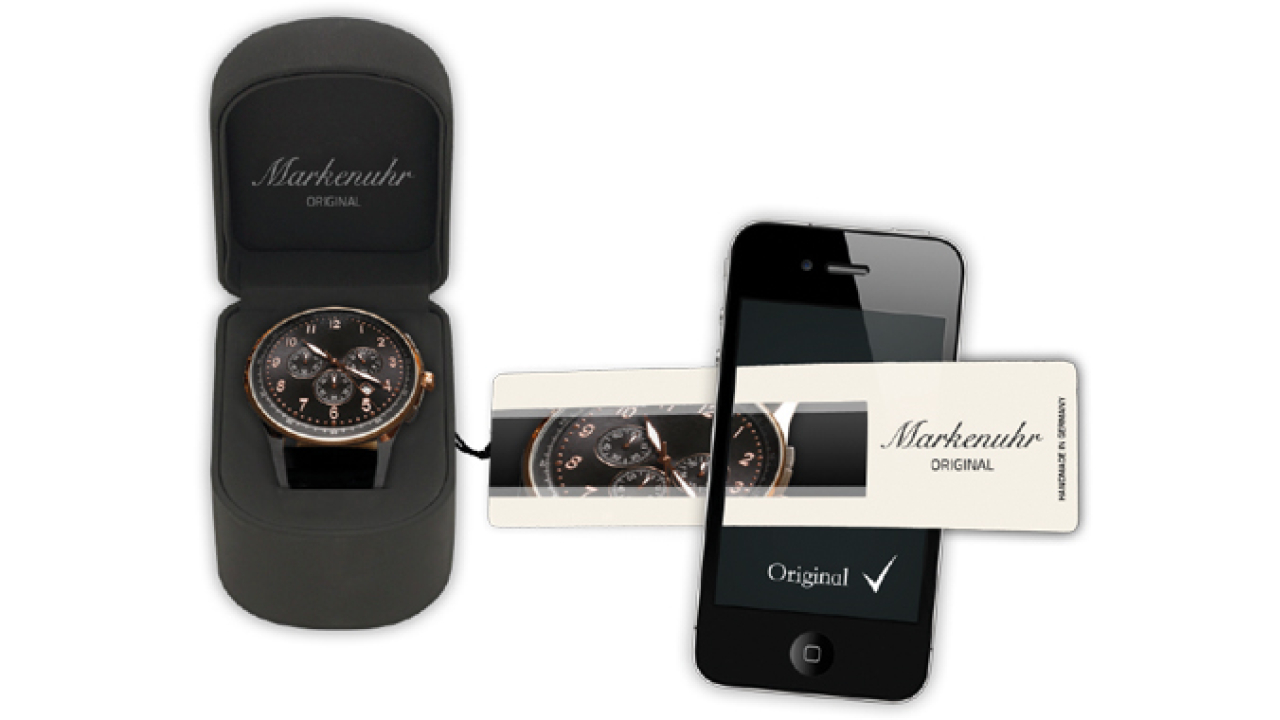
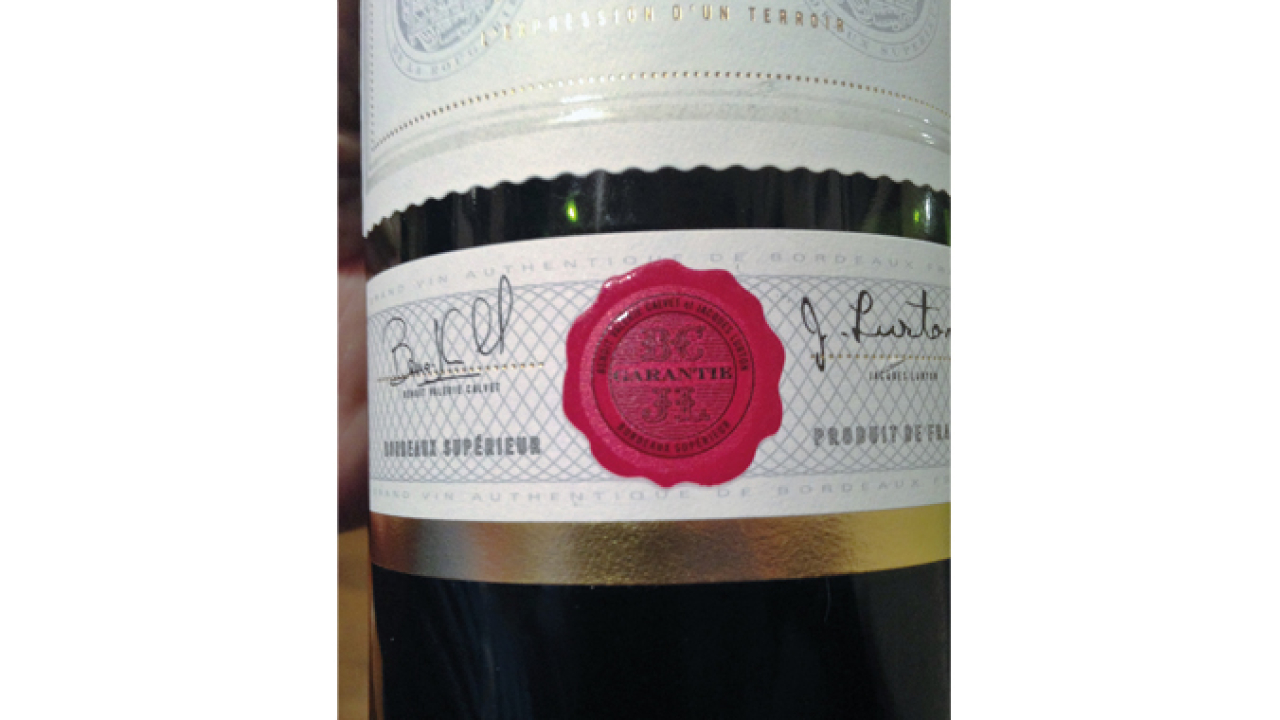
Qualities such as uniqueness, application of skilled technology and processes, together with other barriers such as high investment in plant and equipment and proprietary processes, are all obstacles to counterfeiters
Whatever quantity of a product is produced, it will be necessary in the majority of cases to mark the merchandise in a way that provides recognition of its manufacturer
Smaller than the food and beverage label market, the cosmetics sector is characterized by high value-added labels. Regulation by public bodies is less stringent, but counterfeiting is common
Each end-user market is different. Understanding these differences is essential if we are to satisfy the customer and the brand owner, and work with them to meet present and future needs
Linerless labels contribute to environmental sustainability, increase production capacity, reduce applicator downtime, decrease inventory space and enable the label user to cut out the stages of liner waste collection and disposal
Flexible packaging has been growing rapidly in recent years and replacing other forms of packaging, such as rigid plastics containers or corrugated materials
Pre-press output converts data from the manufacturing specification and digital design files to produce the components required for the manufacture of the labels and packaging
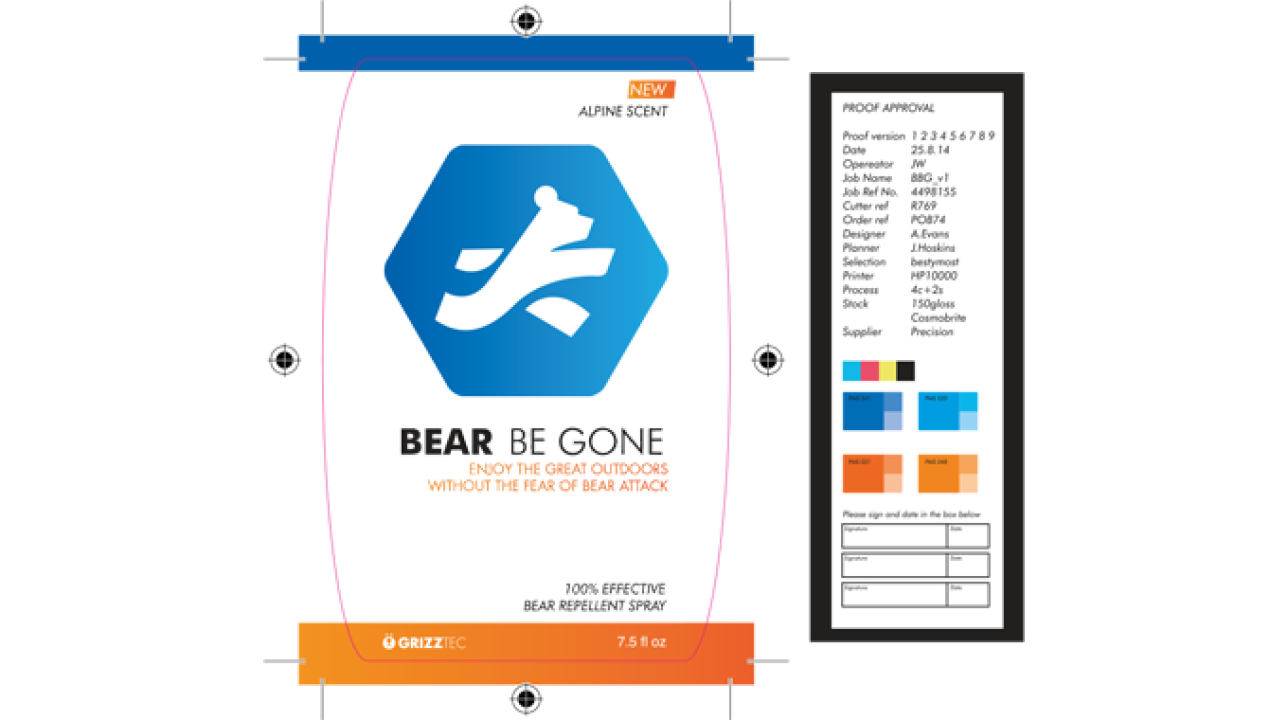
Proofing is a method of producing either hardcopy or electronic facsimiles suitable for viewing a design before printing and for early, intermediate, or final approval